ALBEROBELLO: Living Among the Trulli Houses
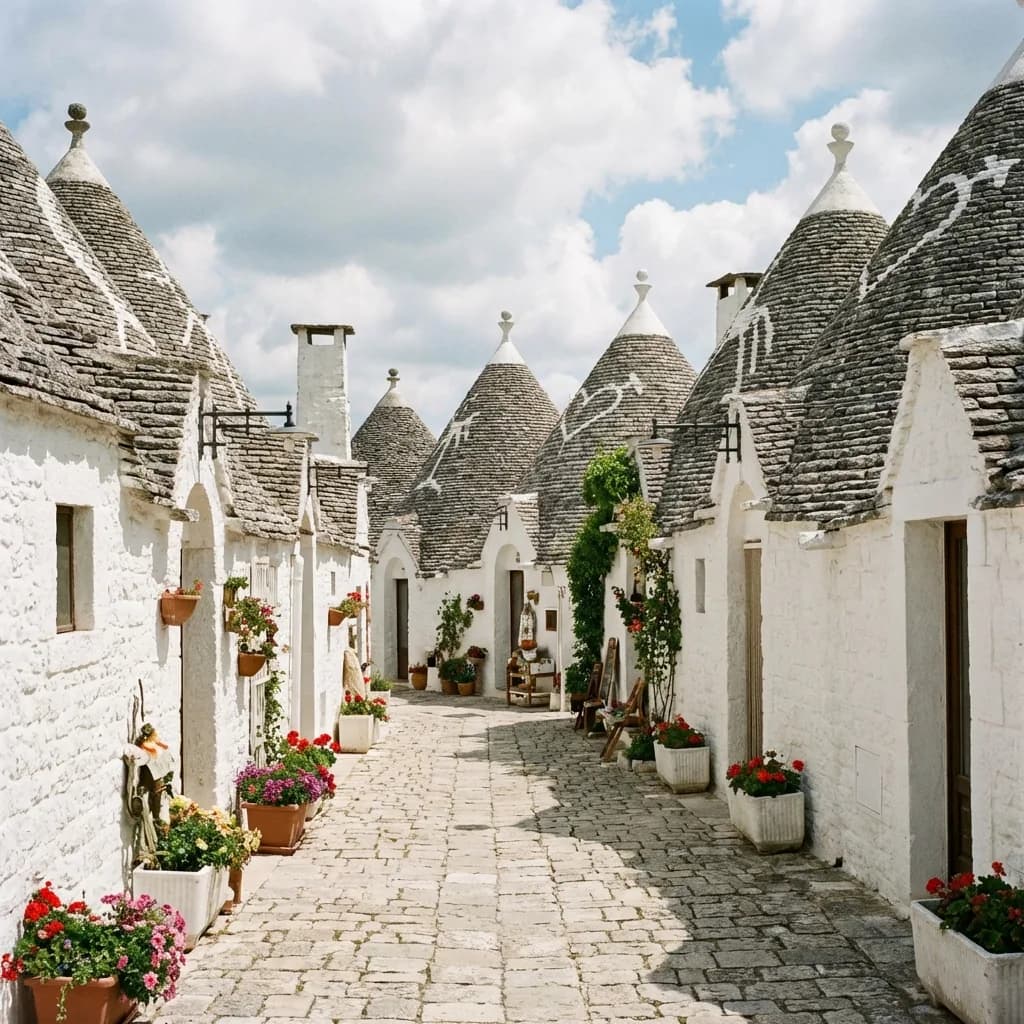
Alberobello is where UNESCO decided to preserve the entire town instead of individual buildings. It's a grid of gray limestone cone-shaped houses (trulli) stacked on slopes, each identical in structure but differentiated by tiny painted doors and shutters. This unique architecture makes it a centerpiece of any Alberobello trulli guide.
The problem is obvious: a town of 1,500 residents where 10,000+ tourists arrive daily. The trulli aren't active homes; they're museum pieces you can live in for a night. Some residents have left. Those remaining rent to tourists or restaurants. The town has achieved the worst outcome: preservation without authenticity.
But the trulli architecture is genuinely fascinating. If you understand what you're looking at—defensive design, economic logic, 600 years of evolution—the homogeneity reveals itself as sophisticated, not boring. This guide teaches you how to read the architecture and find the few places where real Alberobello still operates.
Understanding Trulli Architecture: Why They Exist
Trulli houses exist because of Neapolitan tax policy. In 1635, the kingdom wanted to collect property taxes. Someone clever in Alberobello realized that if houses weren't "permanent structures," they weren't taxable. They built cone-shaped stone houses with no mortar—structures you could theoretically disassemble and claim were temporary.
This tax evasion strategy created an entire town of cone houses. Over 400 years, what started as legal loophole became aesthetic identity. The design optimized for:
- Minimal material (just stone, no mortar = cheap)
- Rapid construction (cone is simple geometry)
- Heat management (thermal mass in stone, peaked roof for ventilation)
- Rainfall management (cone shape sheds water efficiently)
The result: 1,500 trulli houses built across Alberobello, creating the densest accumulation of this architecture on Earth.
Why This Matters for Your Visit:
Most tourists photograph the cone shapes without understanding the design logic. They see cute houses. If you understand the architecture, you see clever building. This shifts your experience from "interesting to look at" to "fascinating to analyze."
The Two Neighborhoods: Rione Monti and Rione Aia Piccola
Alberobello has two distinct zones, each with different character.
Rione Monti (Larger, Touristy)
- 800+ trulli houses
- Main piazza at top
- Steep narrow alleys
- Where most tourists cluster
- 70% converted to restaurants, shops, B&Bs
- Population: ~400 residents (mostly owners with rental properties)
Rione Aia Piccola (Smaller, Less Touristy)
- 200+ trulli houses
- Lower density, more working families
- Quieter streets, fewer tourists
- Mixed residential/commercial
- Population: ~150 residents (more authentic living here)
Strategic Visiting Approach:
Rione Monti is unavoidable if you want to see the iconic trulli grid. But make Rione Aia Piccola your base. Walk through Monti early/late (6:00-8:00 AM or 6:00-8:00 PM) when tourists are fewer, then spend remainder in Aia Piccola where locals still live.
Navigating Alberobello: The Street Pattern and What to Notice
The town is built on a steep slope. Streets run north-south following contour lines, with connecting alleys cutting diagonally. It's confusing by design (though not defensive as in other medieval towns—it's confusing because of topography).
Navigation Reality:
- Get a physical map (€2-3)
- GPS works fine but takes you main routes
- Wandering produces discovery (get lost on purpose)
What to Notice While Walking:
The Painted Doors and Shutters: Each trullo has been painted different colors (regulation: must maintain original appearance, but color interpretation varies). Blues, greens, reds, yellows. They're the only variation in homogeneous architecture.
Behind each color is a decision—family identity, wealth signal, aesthetic preference. This is how you identify yourself in a town where house structure is identical.
The Roofs and Chimneys: Each cone roof has a chimney (different shapes, sizes, positions). They reveal interior spatial logic—where the hearth is, how the house is organized internally. Spend 10 minutes observing roof-to-door relationships and you'll understand trullo interior layouts.
The Symbols Painted on Roofs: Some cones have white-painted symbols (geometric patterns, crosses, numbers). These are ancient property markers, boundary indicators, or owner signatures. Most are 100-300 years old.
Renovation and Preservation: Notice which trulli are well-maintained vs. degraded. Maintained = tourist/rental property. Degraded = often original residents unable to afford restoration (preservation regulations require expensive stone work). This reveals gentrification in real time.
Where to Eat in Alberobello
Tourism has transformed Alberobello's restaurant scene. Few authentically serve residents. Most serve tourists.
Authentic (Residents Eat Here):
Trattoria Tagliere
- Location: Small street, off main tourist routes
- Pricing: €16-26 per person
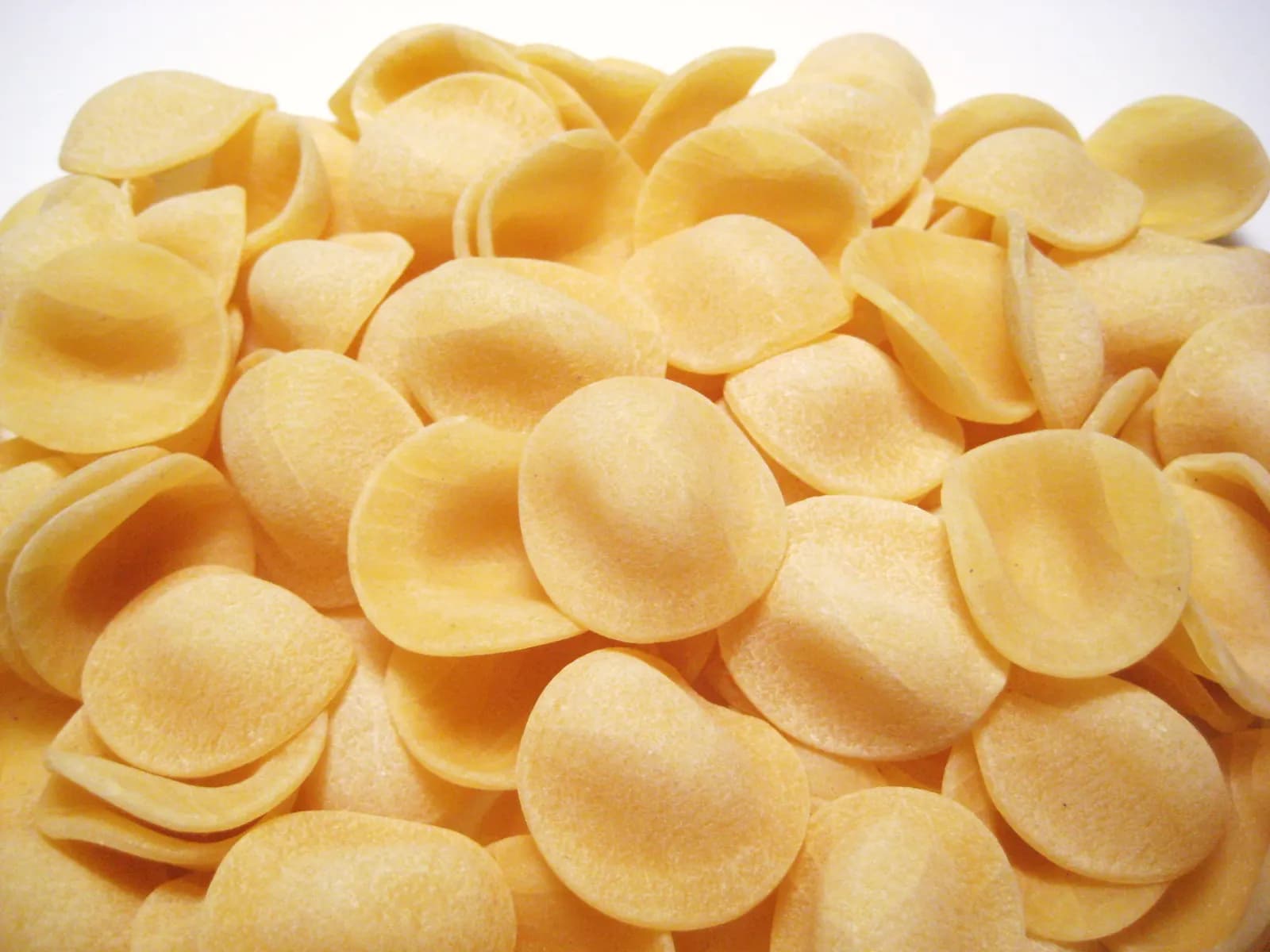
- Specialty: Regional pasta (orecchiette, cavatelli)
- Reservation: Not necessary; availability determines seating
- Why: Minimal pretense, honest food, locals present
- Atmosphere: Simple, working-class
Restaurants with Better Food Than Average Tourist Spots (€22-35):
- These exist but require research
- Generally avoid piazza restaurants (worst quality-to-price)
Strategy: Eat lunch (€12-18) at casual spots, invest dinner budget into one restaurant worth visiting (€28-40), enjoy the experience fully rather than trying many mediocre places.
Food Specialties in Alberobello:
Bombette (Meat Rolls)
- Traditional Alberobello specialty
- Grilled, herbs inside
- €12-18 at restaurants, street vendors cheaper
- If available, order it
Cavatelli with Greens
- Pasta, bitter greens, simple preparation
- €10-15 at trattorias
- Regional classic
Burrata (Though From Andria)
- Available everywhere
- Quality varies dramatically
- Buy from markets (€6-8) or restaurants (€12-16)
Museums and Educational Context
Alberobello has museums explaining trulli, local history, and architecture. They're valuable for understanding context.
Museo del Trullo (House Museum)
- Actual trullo converted to show traditional interior
- Hours: Generally 10:00 AM - 6:00 PM (verify seasonally)
- Entry: €3-4
- Duration: 30 minutes
- Why: See interior space organization, living conditions in traditional trullo
- Honestly: Cramped, small, useful for 30 minutes of context
Museo Etnografico (Ethnographic Museum)
- Larger museum showing regional culture
- Hours: 10:00 AM - 1:00 PM, 4:00 PM - 7:00 PM
- Entry: €3-4
- Duration: 60 minutes
- Why: Agricultural tools, traditional crafts, historical context
- Honestly: Standard museum quality, not essential
Recommendation: Skip museums unless you have 6+ hours in Alberobello. Spend time walking and observing architecture instead (it's more educational).
Practical Framework for Alberobello
How Much Time in Alberobello?
Half Day (4 hours):
- 90 min: Rione Monti exploration (architecture study)
- 90 min: Lunch + casual wandering
- 30 min: Rione Aia Piccola exploration
- Missing: Depth, evening experience
Full Day (8 hours):
- 2 hours: Morning Rione Monti (early, before crowds)
- 3 hours: Lunch + wandering + café stop
- 2 hours: Rione Aia Piccola exploration
- 1 hour: Evening passeggiata, dinner planning
- Effective: Enough to understand both neighborhoods, experience evening life
Overnight (24 hours):
- Day 1 AM: Rione Monti
- Day 1 PM: Lunch, Rione Aia Piccola
- Day 1 Evening: Dinner, passeggiata
- Day 2 AM: Second walk (different light), museums if interested
- Day 2 PM: Depart or extend to wine region
- Day 2 PM: Depart or extend to wine region
- Justifiable: Only if integrating with larger Salento/wine region trip through a Puglia itinerary.
Best Time to Visit Alberobello
By Season:
- April-May: Ideal (warm, fewer crowds, manageable)
- June-August: Hot (35-40°C), packed with tourists, accommodation expensive
- September-October: Still warm, reasonable crowds
- November-March: Cool, fewer tourists, some restaurants closed
By Day of Week:
- Weekdays: 40-50% fewer tourists
- Weekends: Peak density, harder to navigate
By Time of Day:
- 6:00-8:00 AM: Quiet, best for architecture observation
- 8:00-11:00 AM: Growing crowds
- 12:00-4:00 PM: Peak crowds and heat
- 4:00-6:00 PM: Afternoon rest period (quieter)
- 6:00-8:00 PM: Town comes alive, locals present, passeggiata
Where to Stay
In Rione Monti (Tourist Center):
- €60-100/night budget
- €100-180/night mid-range
- €200-350/night luxury
- Advantage: Central location, easy navigation
- Disadvantage: Tourist-focused, noisy evenings, touristy vibe
In Rione Aia Piccola (More Authentic):
- €50-90/night budget
- €90-160/night mid-range
- Less developed luxury sector
- Advantage: More local feel, quieter, working Alberobello
- Disadvantage: Further from main sites, fewer amenities
Recommendation: Choose Aia Piccola if looking for authenticity. Choose Monti if wanting convenience/walking distance to restaurants. For a truly special stay, book a luxury masseria nearby.
Integration into Larger Trip
Alberobello works best paired with:
Valle d'Itria Circuit (3-4 days):
- Alberobello (1 night)
- Locorotondo (1 night)
- Cisternino (1 night)
- Wine region exploration between towns
- Justifies driving 80km in loop, seeing 3 unique towns
From Lecce Base:
- Distance: 65km, 90 minutes
- Can do day trip
- Half-day + lunch + half-day departure works
Wine Region Extension:
- Manduria wine (60km, 90 min)
- Salento wine circuit nearby
Photography Context
Alberobello is photographed globally. Instagram has exhausted the obvious angles.
Distinctive Photo Opportunities:
Early Morning Light on Cone Roofs:
- 6:00-7:30 AM
- Side lighting creates texture
- Minimal tourists
- Quality depends on weather
Symbols and Details:
- Painted roof symbols
- Door and shutter colors
- Architectural details
- Requires macro/close-up perspective
- Less crowded competition
Evening Passeggiata:
- Locals walking, socializing
- Golden light on stone
- Authentic activity
- 6:30-7:30 PM
Realistic Assessment: Wide shots of the town are cliché. Best photos come from detail observation—painted doors, roof symbols, textured stone, light on architecture. Macro approach beats panoramic.
What to Avoid
Don't:
- Expect to be the only tourist (Alberobello has 10,000+/day)
- Arrive mid-day thinking you'll experience authentic town (you'll see crowds)
- Eat at piazza restaurants thinking they're local (they're tourist-focused)
- Skip Rione Aia Piccola (it's where real Alberobello operates)
Do:
- Arrive early or stay evening
- Understand architecture while there (research trulli before visiting)
- Spend time in smaller neighborhood
- Walk the streets at different times to see variation
CTA SECTION
Ready to Live in a Cone House?
Alberobello's trulli are 600 years of architecture frozen in time. Experience it by staying overnight, not rushing through.
Use apulia.travel to:
- Book accommodation in actual trullo house (unique experience)
- Reserve dinner at restaurants where locals still eat
- Extend to wine region circuit (Locorotondo 20km away)
Search accommodation: Book Alberobello Hotel
Reserve restaurant: [MAKE RESERVATION]
Extending your stay: [EXPLORE VALLE D'ITRIA CIRCUIT]
Connected Experiences:
- Lecce 48-Hour Guide (baroque center, 90km away)
- [Locorotondo: Wine & Circular Village] (20km away)
- Wine Tasting Tours Apulia (Manduria circuit nearby)
- [Cisternino Medieval Charm] (Valle d'Itria extension)
- [Photography Spots Apulia] (Alberobello featured)
More Apulian Insights
Explore Destinations
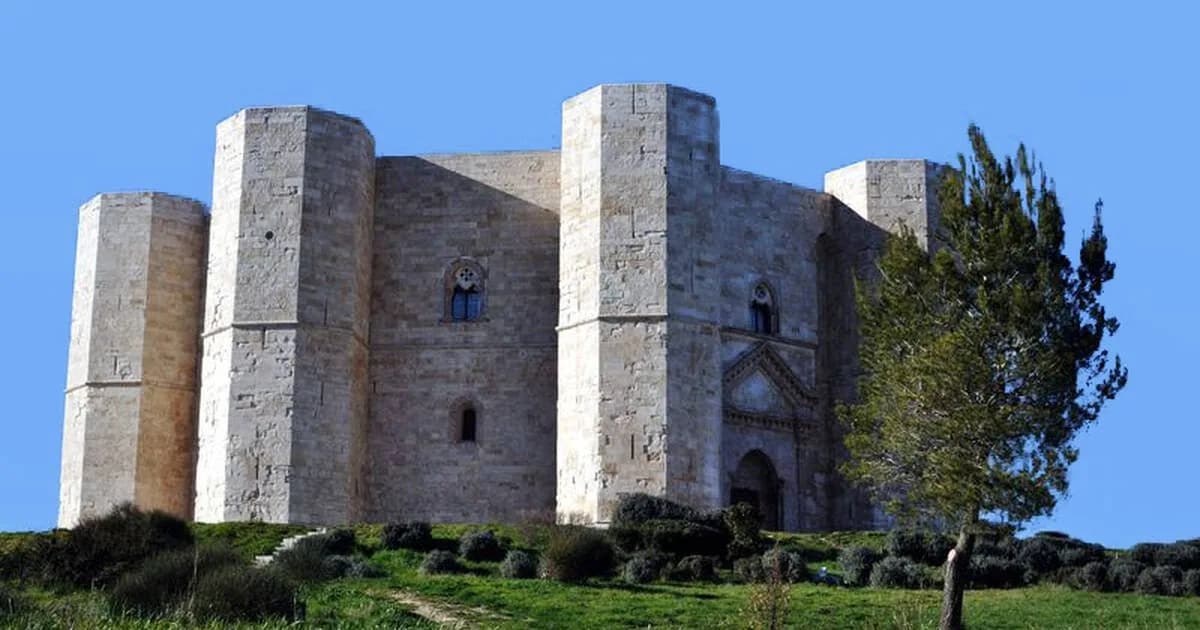
Castel del Monte
A mysterious 13th-century octagonal castle built by Emperor Frederick II, standing alone on a hill - a UNESCO World Heritage architectural marvel.
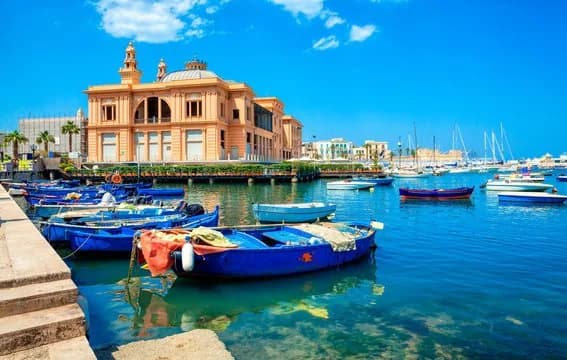
Bari
Bari, the capital of Apulia (Puglia), combines a historic old town with a modern waterfront promenade. Discover the Basilica di San Nicola and authentic street food in Italy's gateway to the Adriatic.
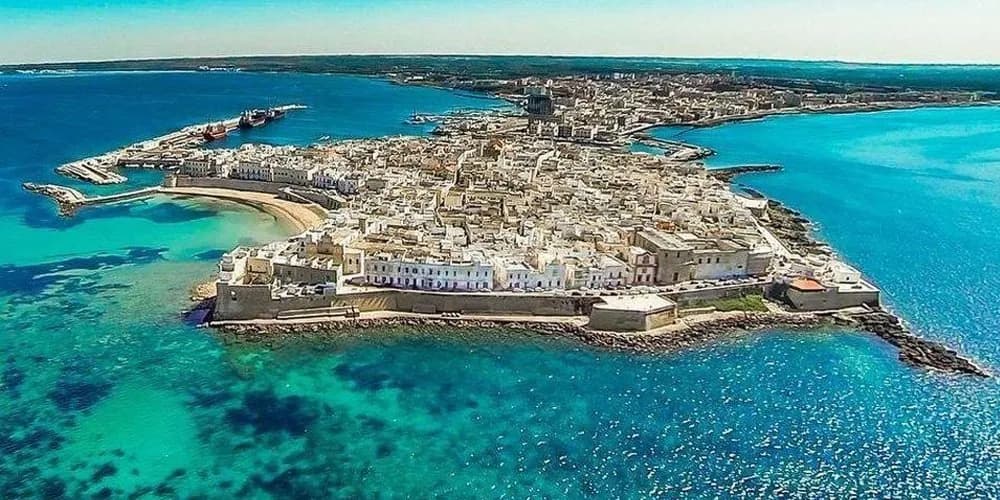
Gallipoli
Gallipoli is a jewel on the Ionian coast, divided into old town on an island and new town on mainland, featuring baroque architecture, working fish market, and some of Puglia's most beautiful beaches.
Bring this place home
Products from Valle d'Itria, chosen by us and available on Amazon.
Flavours · Valle d'Itria
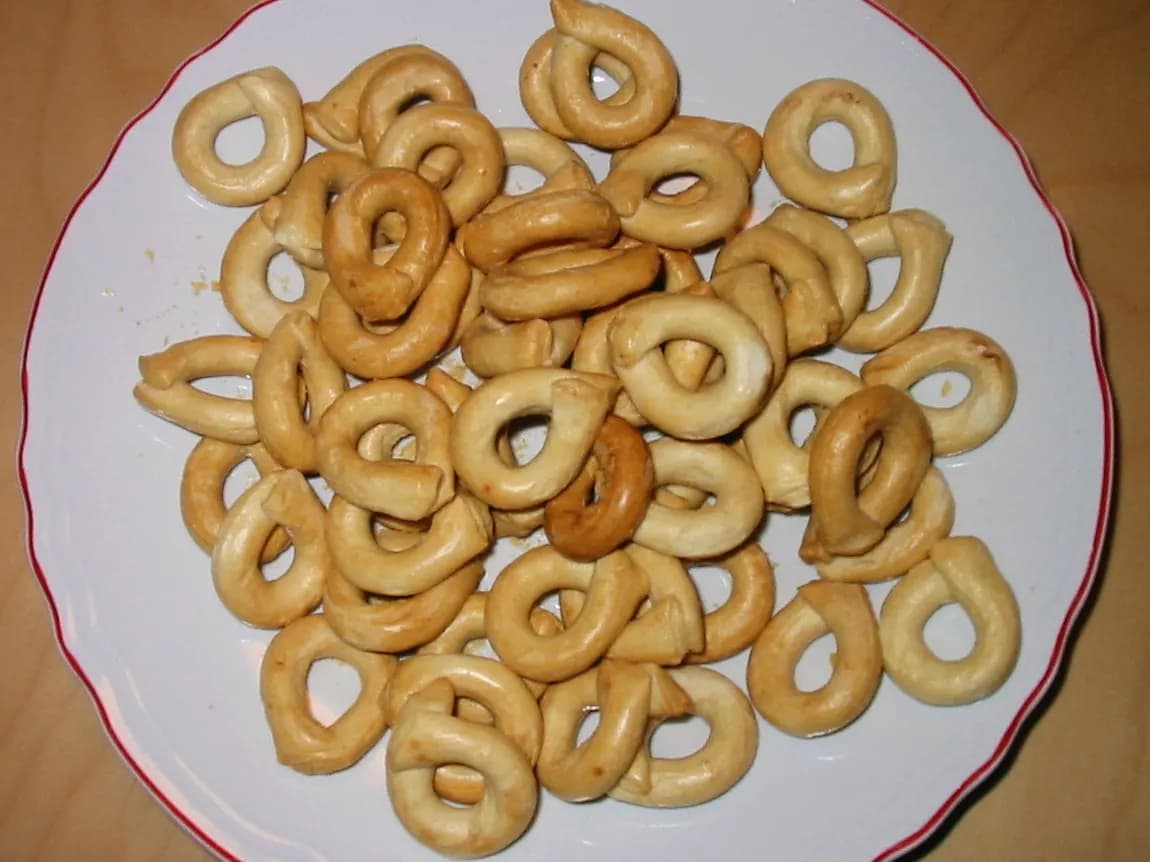
Tarallini with extra virgin olive oil
Terre dei Trulli
On Amazon: .it · .de · .fr
As an Amazon Associate we earn from qualifying purchases. It never decides what we list. How we select