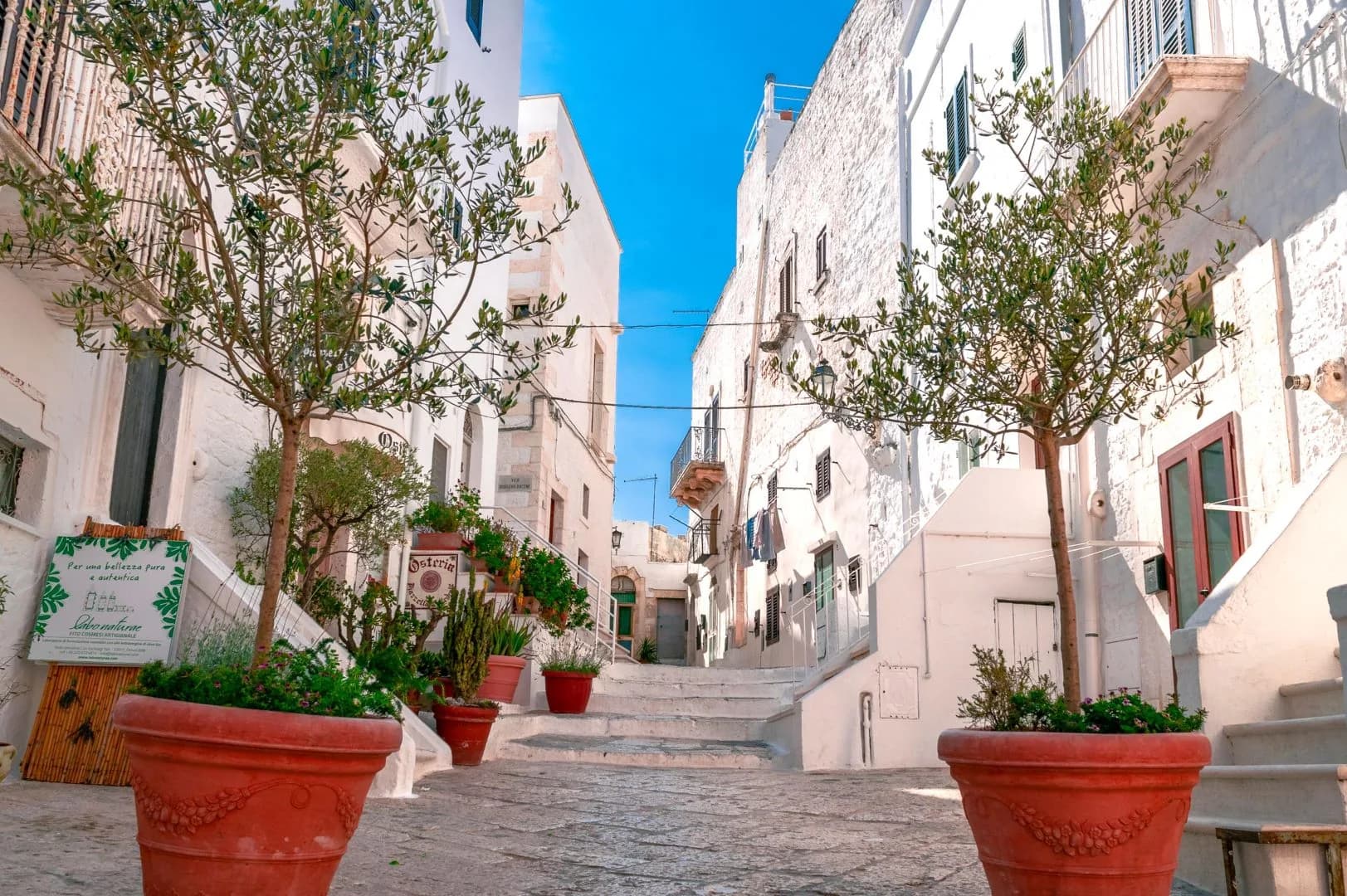
Best Places to Visit in Apulia: A Complete Regional Guide
Apulia (Puglia) occupies a peculiar position in Italian travel consciousness. It's known, yet undiscovered. Tourists flock to Positano's vertical villages and Tuscany's rolling vineyards. Apulia gets the overflow—travelers who've done the obvious circuits and want something less documented.
This is precisely what makes it valuable.
The region isn't a single destination. It's a collection of distinct micro-regions, each with its own logic, architecture, cuisine, and traveler experience. Understanding these differences separates the Instagram pilgrimage from actual travel. This guide maps the essential places and explains why each matters.
The Salento Peninsula: Where Baroque Meets Coastline
The Salento is Apulia's soul. It's the south-facing heel of Italy's boot, where three seas meet (the Ionian, Adriatic, and Mediterranean). The region has its own dialect, cuisine, and architectural language.
Lecce: The Baroque Capital
Lecce is ground zero. Every travel blog about Apulia mentions it, most for the wrong reasons.
Lecce's actual value isn't that it's "pretty" or "Instagram-worthy." Lecce is Europe's most intact baroque city. That distinction matters. The entire old town—not just monuments, but the street grid itself—was rebuilt in the 17th century following baroque principles. The buildings aren't restored tourist attractions. They're where locals actually live and work.
Why it matters:
- 17th-century urban planning still functioning as original design intended
- Piazza Sant'Oronzo: The center contains the only surviving Roman column in the south, standing 2,000 years
- 40 churches, each with distinct baroque architectural variations
- Lived-in authenticity (locals comprise 30% of old town population, unusually high)
- The surrounding food culture creates functional connection to architecture
Practical timing:
- June-August: 40,000+ daily tourists. Plan 6:00-8:00 AM visits
- September-October: Perfect conditions, 60% fewer visitors
- Winter: Locals reclaim the city. Coldest month (February) still averages 8°C
Why not to miss it: If you skip Lecce thinking it's "too touristy," you miss the architectural language that explains everything else in Apulia. Baroque design isn't decoration—it's urban philosophy made physical.
Polignano a Mare: The Cliff Town
Polignano sits on 30-meter limestone cliffs dropping directly to the sea. The town's built atop these cliffs, creating vertically stacked architecture that's genuinely precarious.
What's actually there:
- Cala Monachile: A protected beach accessible only through a cave tunnel (one of Europe's few true secret beaches)
- Grotta Palazzese: A restaurant literally built inside a sea cave, 6 meters above water
- The old town maze that predates modern street planning by 600 years
- Jumping cliffs (for experienced swimmers only; each year brings preventable deaths from tourists attempting unsafely)
The travel-guide trap: Travel blogs present Polignano as a cliff-diving destination. This is reckless. The dive spots require knowledge of water depth, current patterns, and rock placement. Every summer, tourists from Instagram videos die here. The place is genuinely beautiful—you don't need to jump off cliffs to experience it.
Better approach:
- Spend afternoon exploring the cave restaurants and cliff paths
- Swim from Cala Monachile's actual beach (safe, enclosed water)
- Time your visit for early evening when light hits the cliffs at optimal angle
- The 8:00 PM beach clubs create a different (valid) experience than 10:00 AM tourist swarms
Otranto: The Easternmost City
Otranto holds a historical distinction: it's Italy's easternmost city. This positioned it as a medieval cross-roads between the Christian and Ottoman Mediterranean.
What that created:
- The only truly accessible "walled city" on the Adriatic coast (walls are traversable, not museum pieces)
- A harbor that's geographically closer to Albania (70km) than to Rome (600km)
- Cuisine influenced by Albanian and Greek traditions—not standard Italian
- The Cathedral's unique tower design used for defense, not aesthetics
The under-appreciated aspect: Otranto is small (8,000 people). Most tourists treat it as a day trip from Lecce (50km north). This means the town has genuine evening life when tourists leave. The waterfront around 8:00 PM shows the actual economic activity: fishing industry, local restaurants, young people socializing in ways unrelated to tourism.
When to visit: September-October gives you the tourist infrastructure (open restaurants, services) without the July-August saturation.
The Valle d'Itria: White Towns and Trulli
This valley sits between the Salento coast and the interior. It's defined by two architectural forms: whitewashed (masserie—fortified farmhouses) and trulli (cone-roofed structures).
Alberobello: The Trulli Town
Alberobello exists because of a 17th-century tax loophole. Property taxes were calculated per "permanent structure." Landlords responded by building cone-roofed trulli from stacked stone—which technically weren't permanent (they could be dismantled without tools).
This economic decision created one of Europe's most distinctive townscapes.
What you're actually seeing:
- 1,500+ trulli structures (more than any other location)
- A functioning town (4,000 residents), not a museum
- Terraced hillside construction that predates modern urban planning by 350 years
- The economic logic that created the form is still visible in the layout
The tourism problem: Alberobello is marketed as a single-day destination: arrive, photograph white cone houses, leave. This misses how the place actually functions.
Better approach:
- Arrive 6:00 AM (before tour groups). The empty trulli streets are genuinely moving
- Understand the street logic: narrow passages for medieval defense, spacing for water collection, flat roofs for community gathering
- Eat in the hillside restaurants where tourists rarely venture (north side, away from the main piazza)
- Stay overnight if possible. Evening Alberobello (7:00-9:00 PM) is fundamentally different from midday
Locorotondo: The Elegant Sibling
One hour north of Alberobello sits Locorotondo, a small hilltop town (4,200 people) with similar white architecture but completely different character.
Why it's different:
- Circular street layout (original city planning, not accident)
- Wine production instead of tourism economy
- 20% the visitor volume of Alberobello
- Conservative local culture that doesn't over-cater to tourism
What's valuable: The town shows what the Valle d'Itria looked like before mass tourism. The restaurants cater to locals (if they cater at all). The wine bars function as actual community spaces, not tourist performance venues.
This is genuinely uncomfortable for some travelers—there's no Instagrammable piazza, no clear "tourist route," no restaurants with laminated English menus. For others, it's precisely the point.
The Ionian Coast: Beyond the Postcards
The Ionian coast (west-facing) receives less tourism than the Adriatic side. This creates different conditions.
Taranto: The Revived Port City
Taranto has been ignored for 30 years. It's located between two seas (the Ionian and Mare Piccolo—Little Sea), creating a unique geographical position that's only recently become visible to travelers.
What changed:
- The old city (on an island between the two seas) has been restored
- The Aragonese Castle is now accessible, not a military facility
- The underwater archaeology program regularly surfaces Byzantine and Greek artifacts
- The fish restaurants overlooking the Mare Piccolo offer the region's most authentic seafood
Why it matters: Taranto demonstrates Apulia's actual historical importance. For 2,000 years, it was a major Mediterranean power (more significant than Rome during certain periods). The architecture tells this story.
Current state: The city is in transition. Parts are genuinely vibrant. Parts are still abandoned. This honesty is valuable. You're seeing reconstruction, not restoration theater.
The Interior: Castel del Monte and Trullo Culture
Castel del Monte: The Octagonal Mystery
Castel del Monte sits on a 540-meter hilltop in the interior plateau. It's a perfect octagon built in the 13th century for Emperor Frederick II. For 800 years, no one has conclusively determined its purpose.
What we know:
- It's geometrically perfect (every wall identical length and angle)
- It has eight towers at the corners (symmetry obsession)
- It contains no kitchen, no sleeping chambers, no obvious functional spaces
- It sits in strategic position overlooking three valleys
What it probably was:
- An imperial hunting lodge (Frederick II was obsessed with falconry)
- A geometric/mathematical demonstration of imperial power
- A defensive position for controlling interior trade routes
- Possibly a response to crusade-era military architecture from the Middle East
Why visit: The site is genuinely mysterious. The location offers 360-degree views of Apulia's interior plateau. The structure's design raises more questions than answers—which is more interesting than a fully-explained historical site.
Practical note: It's a 1.5-hour drive from the coast. Most tourists skip it, which means 70% of days have <200 visitors despite being a UNESCO site.
Martina Franca: The Baroque Hill Town
Martina Franca sits on the edge of the interior plateau, overlooking the Valle d'Itria. It's 15,000 people, genuine baroque architecture (17th-18th century, not restored for tourism), and wine production.
What makes it distinct:
- The Basilica di San Martino has the only flying buttresses in Apulia (architectural choice unique to this location)
- The Ducal Palace is still partially occupied (nobles live in upper floors, tourists visit lower floors)
- The town economy is agriculture and wine, not tourism
- Streets are designed for defensive medieval layout, not tourist foot traffic
Seasonality: The town hosts an opera festival (July-August). This draws 40,000 visitors monthly, completely transforming the atmosphere. September-May offers the authentic small-town experience.
The Northern Region: Bari and Beyond
Bari: The Capital Misunderstood
Bari is Apulia's largest city (330,000 people). It's also the most misunderstood.
Tourist guides describe Bari as "rough" and "unsafe," advising visitors to skip it. This is accurate for the immediate port area (6:00 PM-7:00 AM). It's inaccurate for the old town and surrounding neighborhoods.
What's actually there:
- The Basilica di San Nicola: The only church in Apulia with genuine Romanesque design (most are baroque)
- The old town harbor (authentic working port, not restored tourist harbor)
- The street food culture that created Italian pizza tradition
- The city's economic function (it's Apulia's actual commercial center, not tourist infrastructure)
The experience value: Bari shows Apulia as a working region, not a heritage museum. This is uncomfortable for some travelers. For others, it's the most honest experience available.
When to visit: Early morning (7:00-10:00 AM) or late afternoon (4:00-7:00 PM) offers authentic street activity without nocturnal safety concerns.
The Strategic Approach: Understanding Apulia's Geography
Apulia isn't designed for a circular route. The region is shaped like an inverted boot heel. Efficient travel requires understanding this geography.
The optimal approach:
-
Salento Circuit (3-4 days): Lecce → Polignano → Otranto. Coastal drive, walkable towns, single accommodation base reduces friction.
-
Valle d'Itria (2-3 days): Alberobello → Locorotondo. Interior plateau, distinct architecture, wine exploration.
-
Interior + North (2 days): Castel del Monte → Martina Franca → Bari. Longer drives, specific sites.
-
Ionian Coast (1-2 days): Taranto if time permits, or extend Salento circuit south.
Driving distances:
- Lecce to Polignano: 45km, 50 minutes
- Polignano to Alberobello: 60km, 75 minutes
- Alberobello to Castel del Monte: 50km, 60 minutes
- Castel del Monte to Bari: 80km, 90 minutes
Conclusion: The Difference Between Places
Apulia's value isn't that it's "undiscovered" (tourism exists here, just less documentation). The value is that each place maintains distinct character—architecture reflects actual history, not restoration marketing. Food culture matches local agriculture. The streets show how people actually navigate medieval layouts.
This requires a different travel pace than typical Italian circuits. It requires arriving early, staying late, and treating towns as places to inhabit, not photograph.
The places listed above aren't a checklist. They're a foundation for understanding why Apulia's geography, history, and economics created these specific forms. With that understanding, you'll see things that remain invisible to the Instagram-circuit traveler.
Image Specifications:
- Alt: "Polignano a Mare medieval town perched on limestone cliffs overlooking Mediterranean coast"
- Placement: Article feature image
Related Resources
Explore more detailed guides about specific Apulian destinations:
- Lecce 48-Hour Guide(https://apulia.travel/en/blog/01_ostuni_travel_guide) - Deep dive into Europe's most intact baroque city, from hidden neighborhoods to local dining spots
- Polignano a Mare Guide(https://apulia.travel/en/blog/02_polignano_a_mare_guide) - Complete guide to the cliff-top town, sea caves, and authentic coastal restaurants
- Alberobello Trulli(https://apulia.travel/en/blog/03_alberobello_trulli_guide) - Explore the UNESCO cone-roofed trulli houses and their unique architecture
- Castel del Monte UNESCO - Discover the octagonal mystery of Emperor Frederick II's 13th-century castle
- Bari Guide - Experience Apulia's capital city with authentic street food culture and Romanesque architecture
Each guide provides practical logistics, dining recommendations, and cultural insights to help you experience Apulia authentically.
More Apulian Insights
Explore Destinations
Lecce
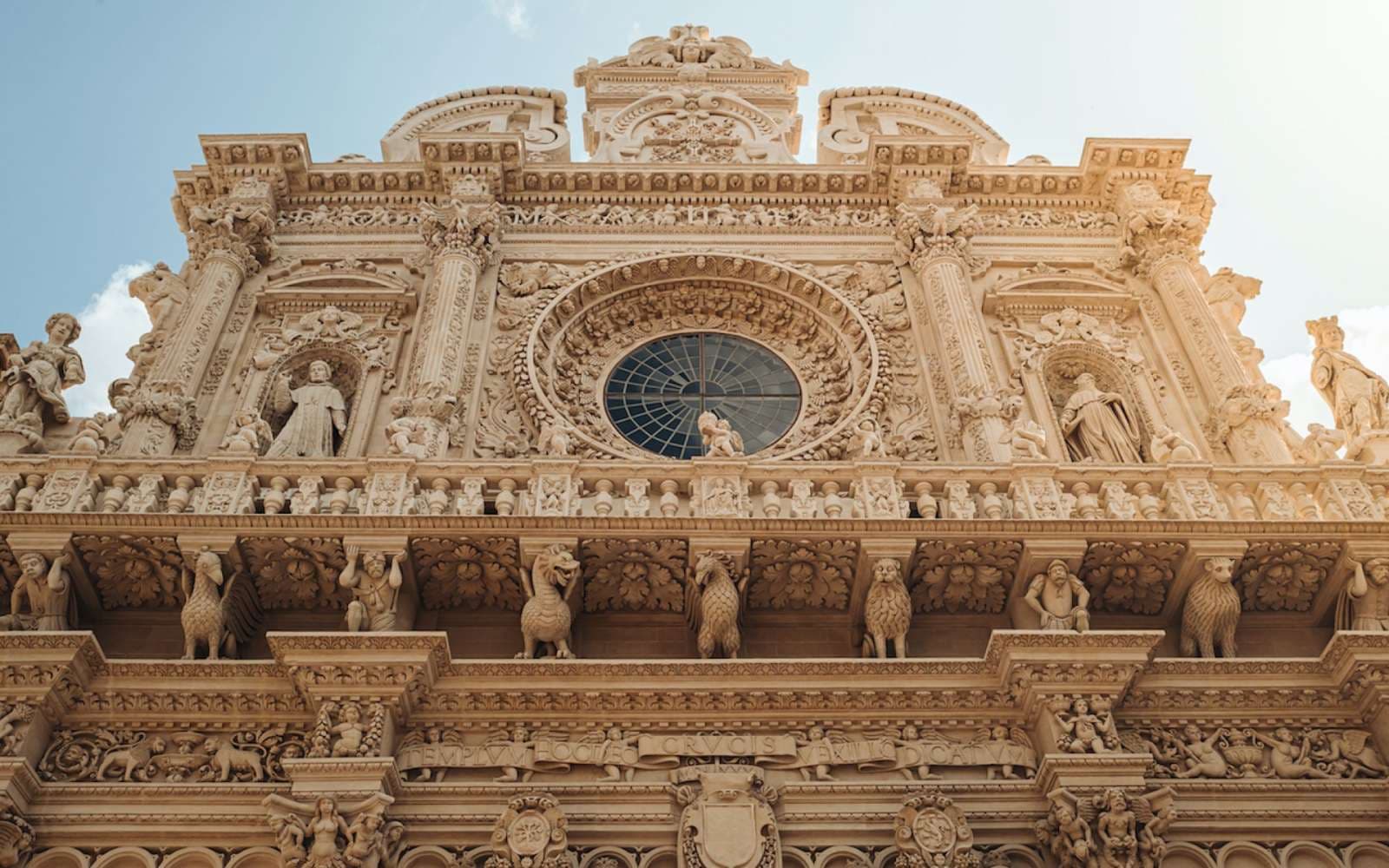
Known as the Florence of the South, Lecce is a masterpiece of Apulia (Puglia) Baroque architecture, featuring ornate churches and palaces carved from golden local limestone.
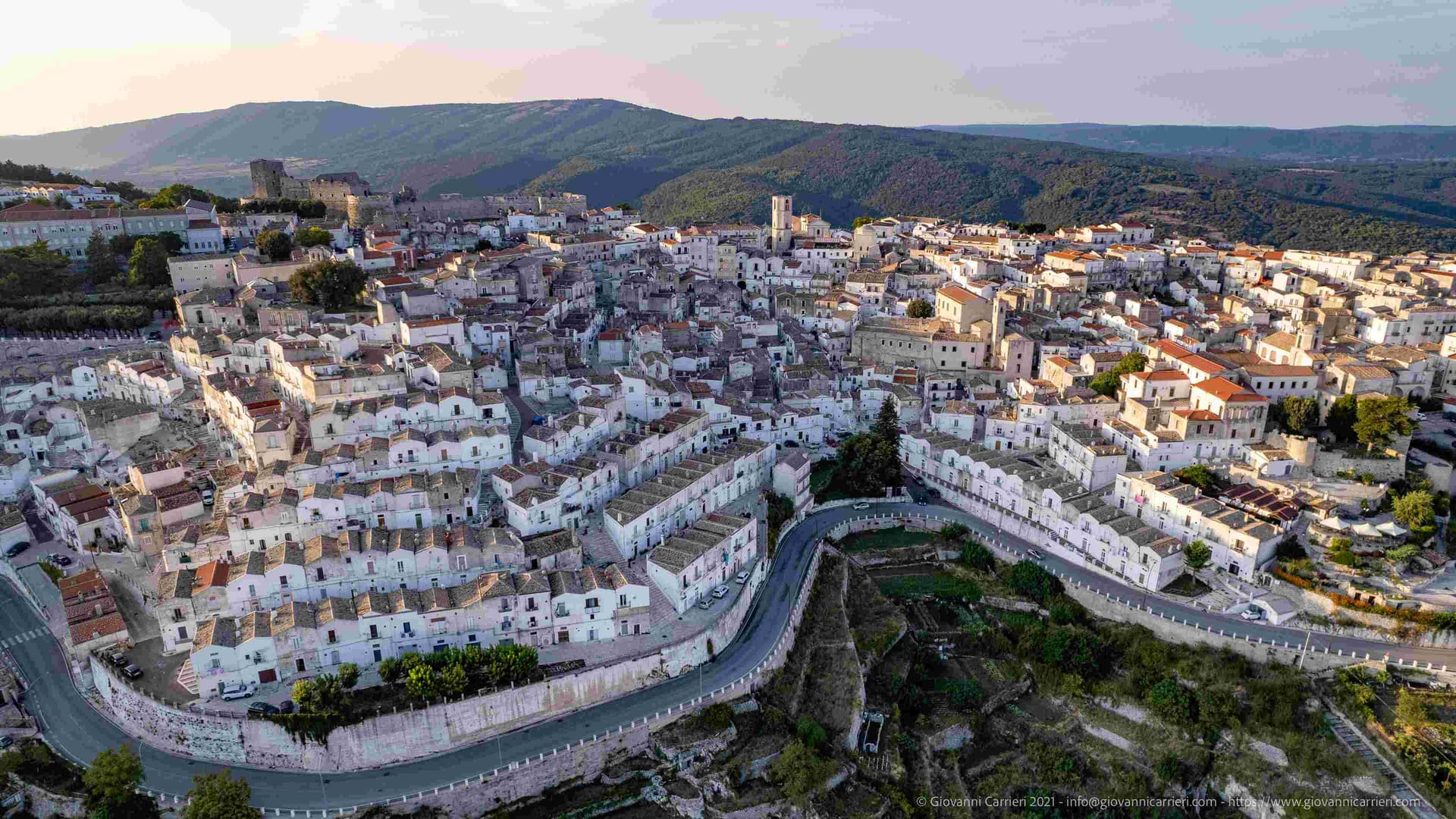
Monte Sant'Angelo
Monte Sant'Angelo is a spiritual hilltop town on Gargano hosting the UNESCO-listed Sanctuary of San Michele Arcangelo. A major European pilgrimage site since the 5th century, it combines religious significance with medieval architecture.
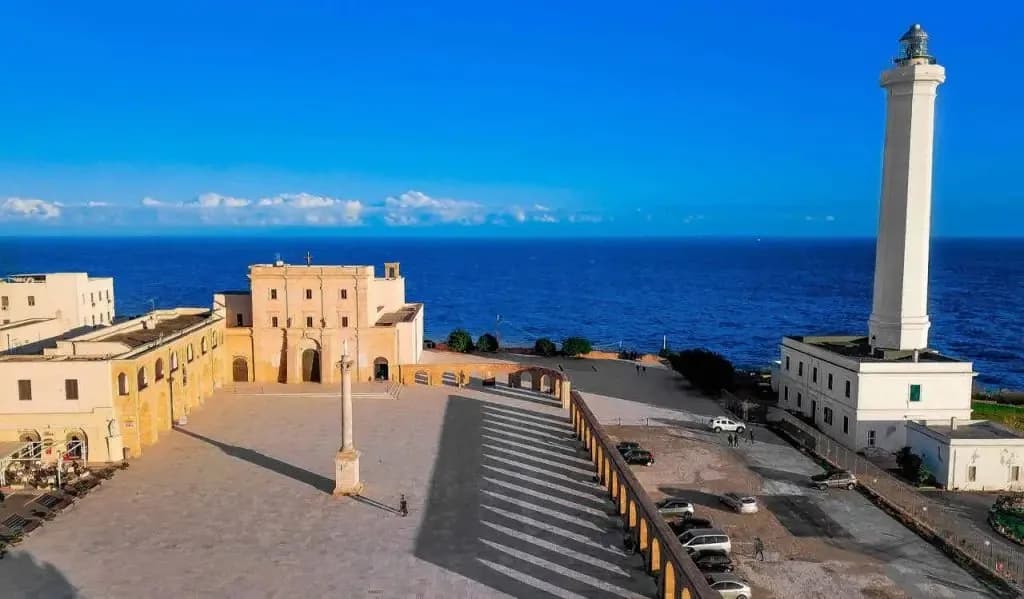
Santa Maria di Leuca
Santa Maria di Leuca sits at the southernmost tip of Salento, where two seas meet. Home to an iconic 47-meter lighthouse and the basilica 'De Finibus Terrae' (End of the Earth), it's a romantic pilgrimage destination.