BARI GUIDE: The Beating Heart of Apulia
Bari is where Apulia's soul lives. Not on Instagram, not in tourist brochures, but in the narrow alleyways of Bari Vecchia where locals hang laundry from ancient buildings and street vendors shout in Barese dialect. It's where the traditions that define the region are practiced daily—where pasta is still made by hand, where the Adriatic breeze shapes everything from commerce to conversation, and where a visit to the market in the morning tells you more about Apulia than a week of guided tours.
Unlike the postcard-perfect whitewashed towns and Instagram-friendly coastal villages, Bari is unfiltered. It's chaotic. It's raw. But that's precisely what makes it essential. Bari Vecchia—the medieval old town—remains one of Italy's most atmospheric historic districts, a labyrinth that reveals its secrets only to those willing to get genuinely lost.
This guide is about understanding Bari on its own terms: not as a gateway to somewhere else, but as a destination worth your time and attention.
Bari Vecchia: The Medieval Labyrinth
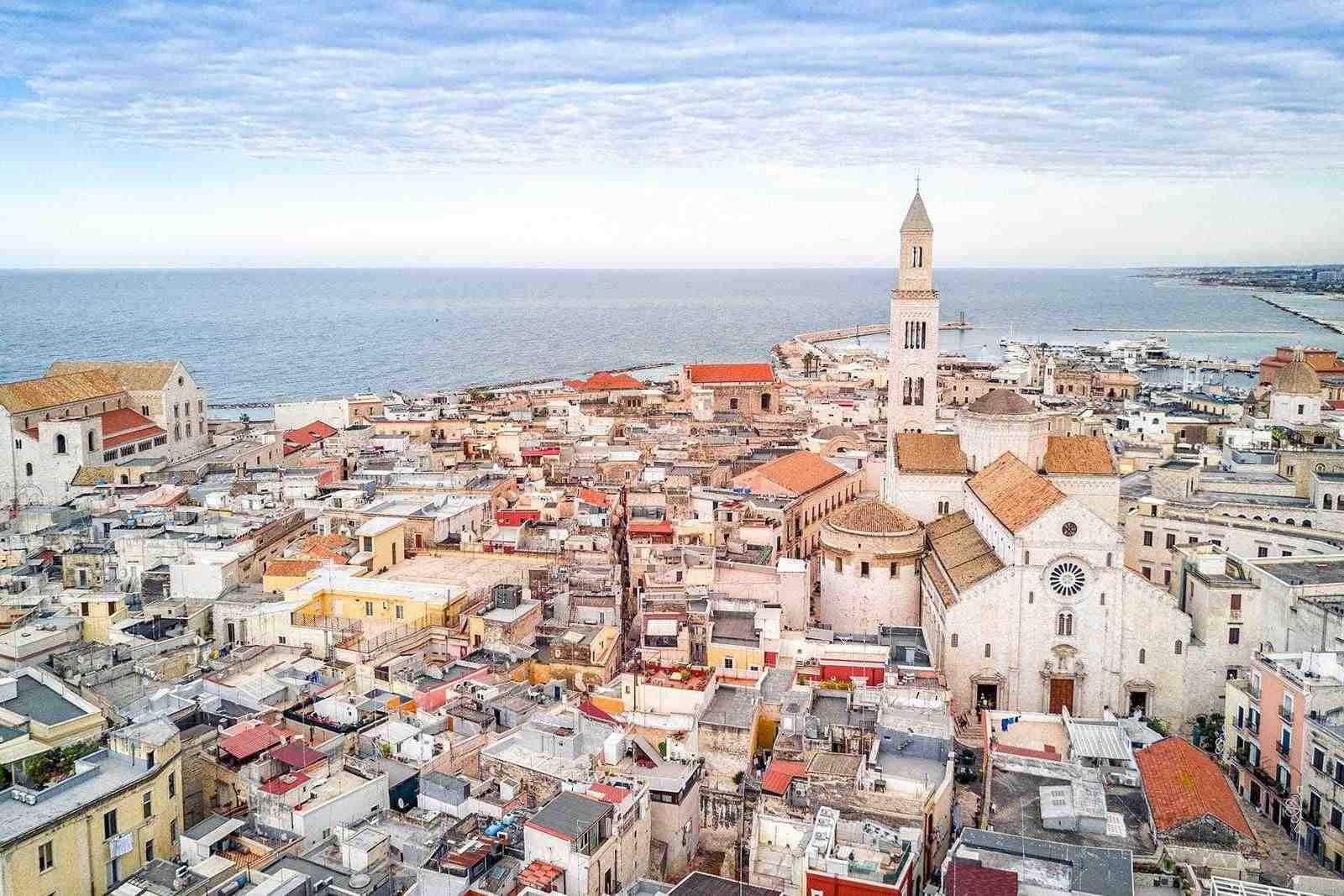
Bari Vecchia isn't a neighborhood you navigate—it's a puzzle you solve. The 11th-century streets were designed as a defensive maze, narrow and winding, creating natural shade in summer and wind corridors that carry sea breezes from the Adriatic. Walking through these streets feels like being inside a three-dimensional maze built in stone.
The Essential Layout
The heart of Bari Vecchia revolves around three major sites: the Basilica di San Nicola, the Cathedral (Cattedrale di San Sabino), and the waterfront promenade. But the real discovery happens in the spaces between—the residential alleyways where everyday life continues as it has for centuries.
Basilica di San Nicola
This isn't just a church; it's a historical event frozen in stone. Built in the 11th century to house the relics of Saint Nicholas (yes, the Saint Nicholas who inspired Santa Claus), the basilica marked Bari's transformation from a backwater fishing village to a major pilgrimage destination during the Crusades.
The interior is surprisingly austere compared to the ornate churches elsewhere in Italy. The basilica's power comes from its restraint—the clean Romanesque lines, the soaring columns, the crypt where the saint's relics were kept. It's a church designed to impress through authority rather than decoration.
Pro tip: Visit early morning when the light streams through the windows and crowds are minimal. The quality of light in the crypt around 8 AM creates an almost transcendent atmosphere.
Cattedrale di San Sabino
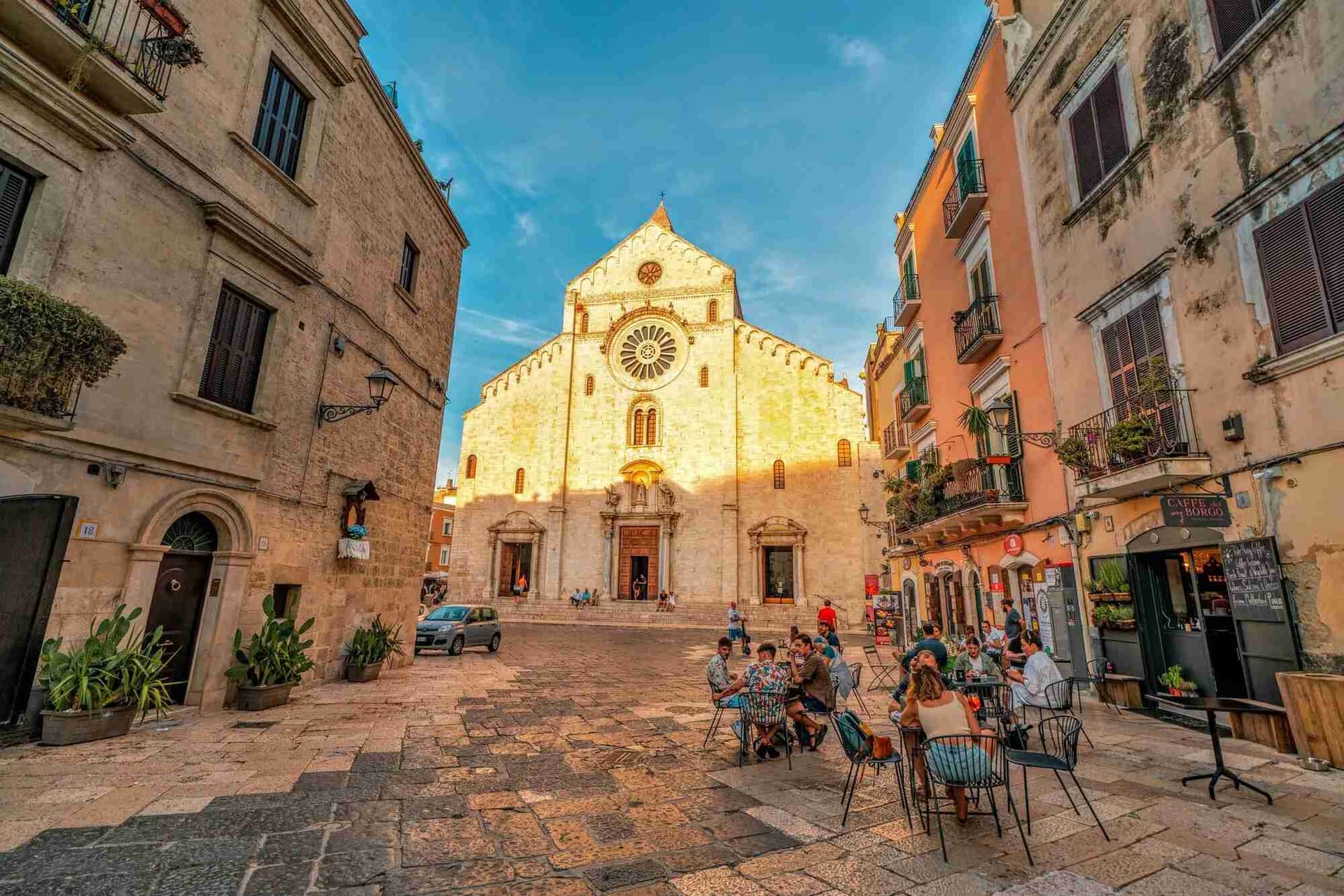
Built just decades after San Nicola, the cathedral is often overlooked by visitors fixating on the basilica. But the Cathedral has something San Nicola doesn't: it's where Bari's daily spiritual life actually happens. The rose window—a Romanesque masterpiece—is considered one of the most beautiful in Southern Italy.
The cathedral's crypt is older than the building itself, showing layers of Bari's past. Take time to explore it; the archaeological layers tell the story of Byzantine, Norman, and Angevin Bari overlapping in stone.
The Waterfront (Lungomare)
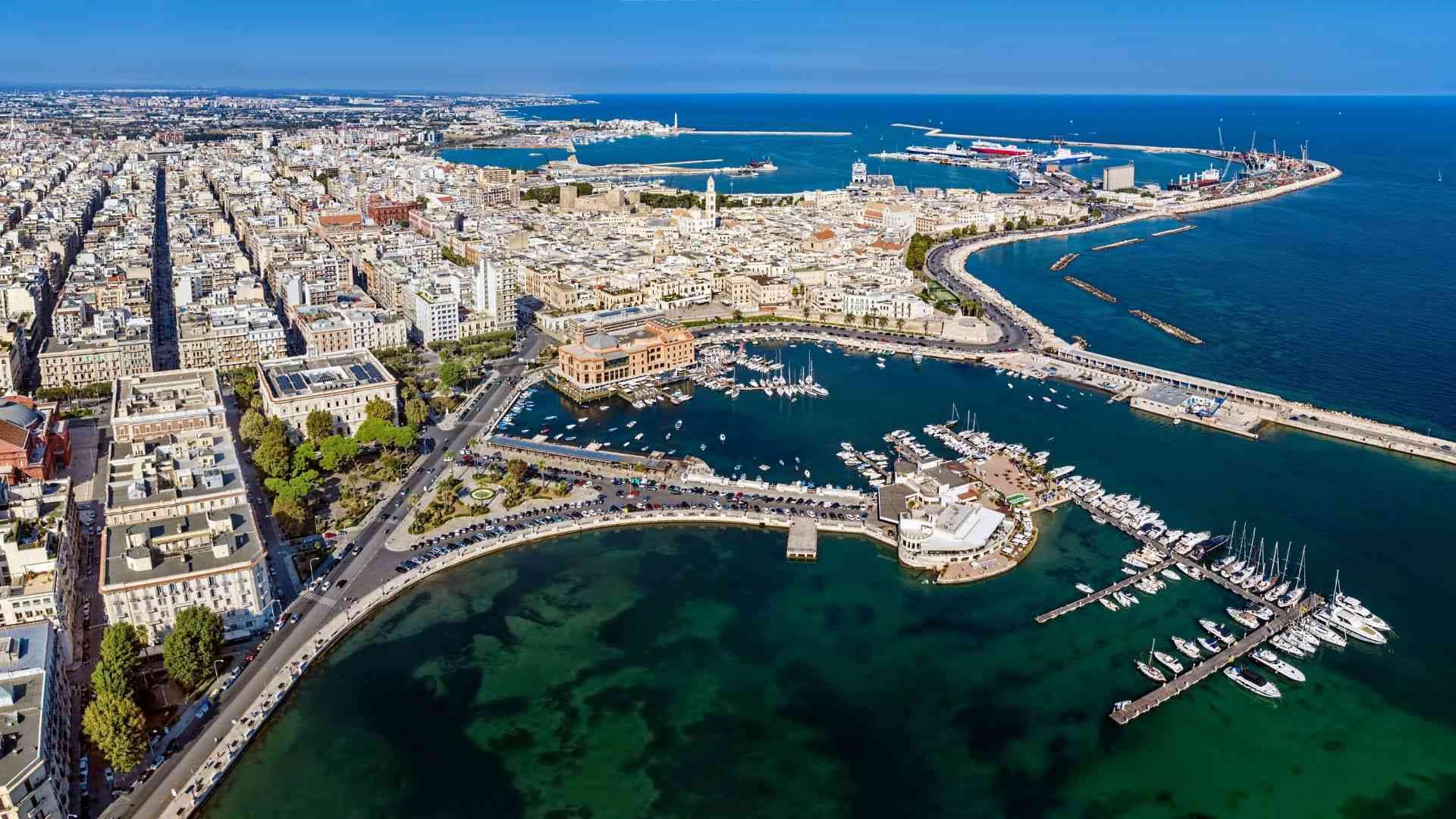
The promenade that runs along Bari Vecchia's edge is where the town meets the sea. It's also where locals actually live their lives in a way that tourists often miss. Early evening (around 6 PM), the waterfront fills with residents doing their passeggiata—the Italian evening stroll. This is when Bari feels most authentically itself.
Street Food: The Language of Bari
If you want to understand Bari, understand its food culture. The city is famous throughout Italy for its street food tradition, where eating is not a casual activity but an expression of identity.
The Bari Street Food Canon
Orecchiette con le Cime di Rapa
These "little ears" pasta are made fresh throughout the city. The "Pasta Ladies" of Bari Vecchia—elderly women who sit in doorways hand-rolling orecchiette—represent a skill passed down through generations. Watch them work and you understand that cooking here is not entertainment; it's testimony.
The dish itself is simple: orecchiette with bitter broccoli rabe, garlic, and anchovy. Nothing fancy. Everything essential. The best versions are served at tiny neighborhood restaurants where locals outnumber tourists 50 to 1.
Focaccia Barese
Thicker and oilier than Genoese focaccia, the Bari version is comfort food in carbohydrate form. The best focaccia has a thin crispy crust that gives way to an almost custardy interior. It's filled with tomatoes, olives, sometimes onions, and always generous amounts of olive oil.
Street vendors sell it by weight. A 200-gram portion (roughly the size of your hand) costs around €2-3. Eat it warm, standing up, watching the port.
Panzerotti
Fried half-moon pastries filled with mozzarella and tomato. They're sold at street stalls and bakeries throughout the city. The filling should be hot enough to almost burn your mouth. This is not elegant eating; it's eating for pleasure.
Sgagliozze
Polenta squares fried until golden, traditionally eaten with a squeeze of lemon. They're fast, cheap, and completely addictive. Look for sgagliozze at the waterfront market or from mobile vendors.
The Porto Vecchio: Commerce and Life
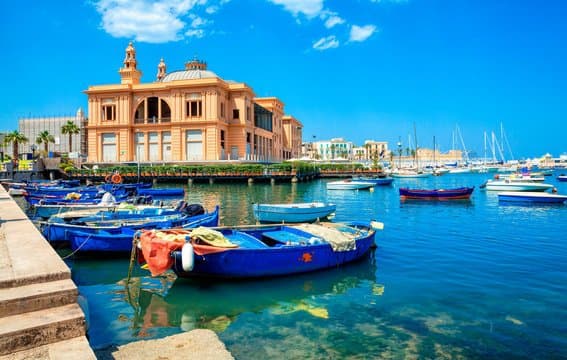
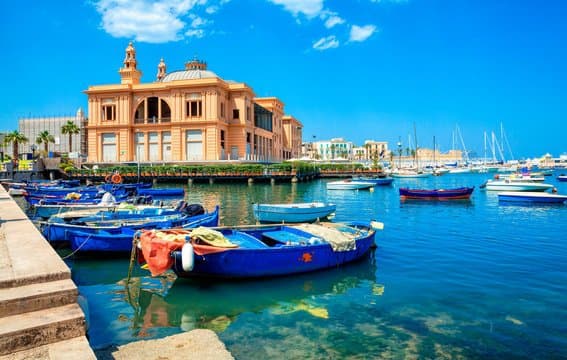
The old port is where Bari's economic life has centered for over a thousand years. Fishing boats still operate from these docks. The market in the morning is where you'll find the freshest seafood on the coast—sea urchins, local fish varieties you can't find elsewhere, octopus being sorted by size.
The waterfront restaurants that line the port aren't fancy tourist traps; many have been family-run for generations. This is where locals eat fish, not visitors looking for Instagram moments.
Best Time to Visit: Early morning (6-7 AM) when fishermen are still landing their catch and the market is at peak activity. By 10 AM, the day's best selections are gone.
Neighborhoods Beyond Bari Vecchia
Murat District
Built in the 19th century on a grid system, the Murat district is Bari's "modern" section. Tree-lined avenues, Neoclassical buildings, and a completely different rhythm from the medieval center. This is where you'll find the Archeological Museum and most of the city's restaurants and bars.
The district contains the Teatro Petruzzelli, one of Europe's most beautiful opera houses. Even if you don't catch a performance, the building is worth seeing.
The Seafront (Lungomare Araldo di Savoia)
Beyond Bari Vecchia, this modern promenade runs for kilometers along the coast. It's where locals come to walk, cycle, and just be by the sea. On weekends, families flood this area. It's the most authentic glimpse of Bari's everyday life.
Practical Information
Getting There
From Brindisi Airport (2 hours by car): Take the SS379 heading north. Trains run regularly and take about 1.5 hours.
From Bari Airport (Karol Wojtyła): Buses and trains run directly into the city center (15-20 minutes).
By Train: Bari's central train station connects to major cities throughout Italy. It's modern, efficient, and central to the city.
Where to Stay
In Bari Vecchia: Hotels are limited but atmospheric. Staying in the medieval center puts you at the heart of authentic Bari, though expect narrow streets and noise from daily life.
In the Murat District: More hotel options, quieter, better for those preferring modern comfort while still being close to everything.
Recommendation: Spend at least 2 nights to properly experience the city—one evening to get lost in Bari Vecchia, one morning at the market, one evening on the waterfront.
Best Time to Visit
Spring (April-May) and Fall (September-October): Pleasant weather, fewer tourists, the city is in its natural rhythm.
Summer (June-August): Hot and crowded. Locals leave if they can. The waterfront becomes a tourist thoroughfare.
Winter: Surprisingly pleasant. Mild weather, authentic atmosphere, locals everywhere.
What to Pack
- Comfortable walking shoes (the streets are stone and can be uneven)
- Light layers (the waterfront breeze can surprise you even in summer)
- A good camera or phone with enough storage (the photo opportunities are constant)
Insider Tips
-
Eat at markets, not restaurants: The Mercato del Pesce (fish market) has small food stalls where locals grab breakfast or lunch. This is authentic Bari eating at its best.
-
Get lost intentionally: Bari Vecchia has no logic to tourists, but it has perfect logic to centuries of residents. Wander without a map for an hour. You'll end up somewhere interesting.
-
Visit on Sunday morning: The city has a different energy. Less commercial, more human. Families are out, religious ceremonies are happening, the rhythm is slower.
-
Learn basic Barese phrases: Locals appreciate the effort. Bari has its own dialect with words and expressions unique to the region. A simple "Ciao, bella!" goes a long way.
-
Don't miss the Basilica at dusk: When the sunset light hits the stone, the basilica transforms. The front façade becomes almost bronze-colored. It's stunning.
-
Bring cash for street food: Many vendors don't take cards. Have small bills ready for quick purchases.
-
Time your visit to the market: 6-8 AM is peak activity. By 10 AM, it's winding down. By noon, it's mostly empty.
Nearby Day Trips
From Bari, several destinations are worth exploring:
-
Polignano a Mare (40 km, 45 minutes): The dramatic cliffs and cave swimming from Bari make for an easy half-day trip.
-
Alberobello (60 km, 1.5 hours): The trulli houses of this UNESCO site are worth a full day.
-
Trani (40 km, 45 minutes): A stunning coastal town with an impressive cathedral and seafood restaurants.
-
The Itria Valley (Locorotondo, Cisternino, Martina Franca) (50-80 km, 1-2 hours): Rolling countryside, whitewashed villages, and authentic agritourism.
Bari asks something of visitors that other Apulian destinations don't: patience with imperfection, tolerance for chaos, and willingness to embrace a city that's genuinely lived-in rather than preserved-for-tourists.
For those willing to make that exchange, Bari offers something priceless: an authentic connection to Southern Italy that's increasingly rare in our carefully curated travel experiences.
Ready to experience authentic Apulia? Book Your Stay in Bari
More Apulian Insights


Explore Destinations
Peschici
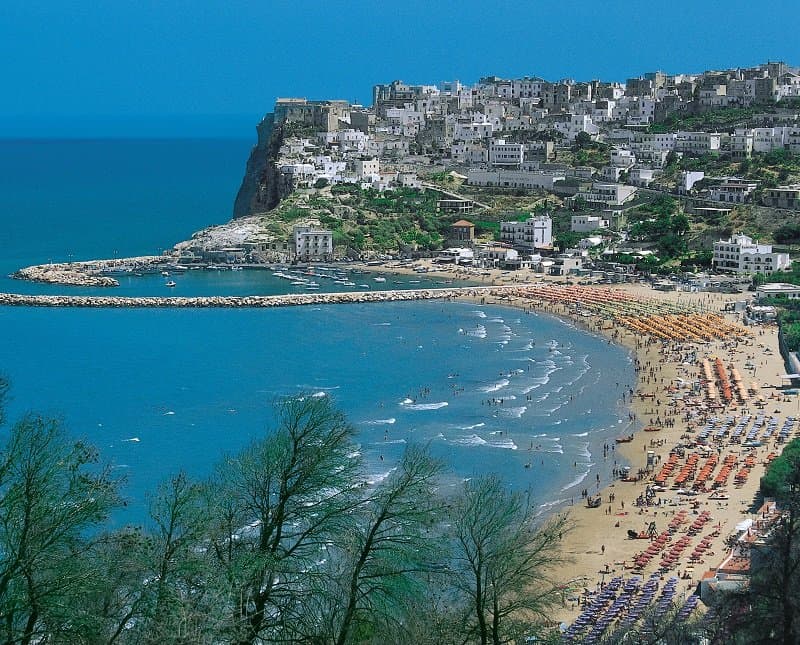
Peschici is a charming cliffside village perched 100+ meters above the Adriatic, featuring whitewashed cube-shaped houses with oriental domes, narrow winding streets, and a castle overlooking the sea.
Lecce
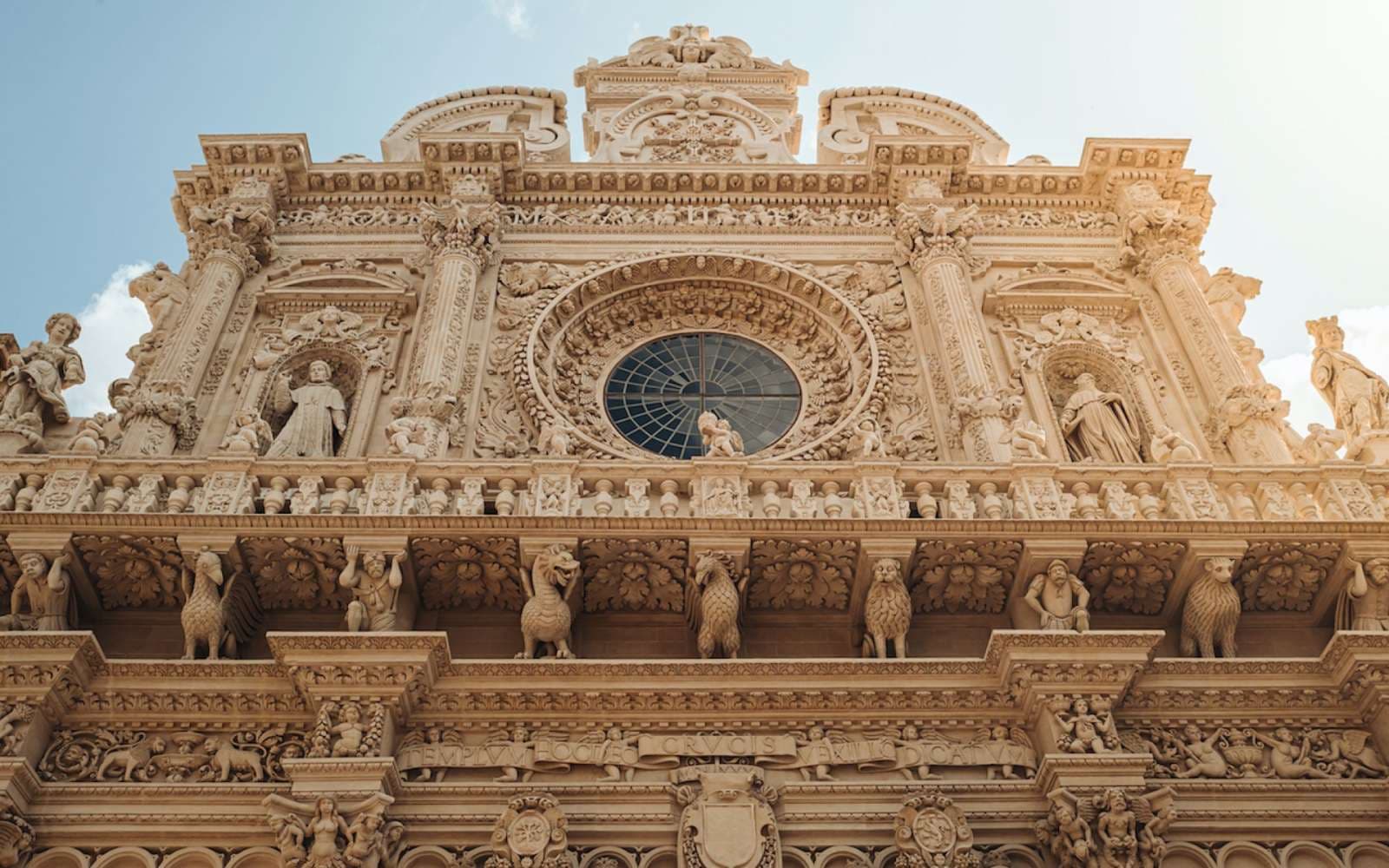
Known as the Florence of the South, Lecce is a masterpiece of Apulia (Puglia) Baroque architecture, featuring ornate churches and palaces carved from golden local limestone.
Vieste
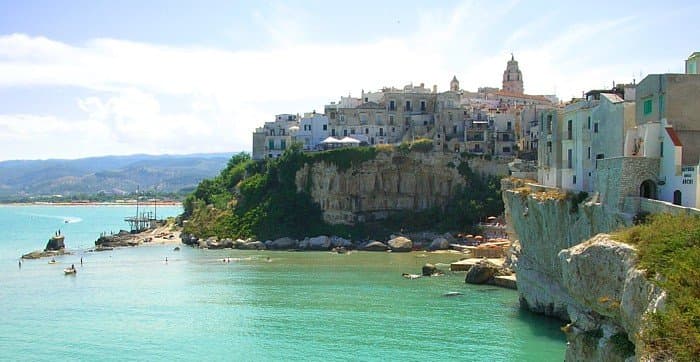
Vieste is the pearl of the Gargano peninsula, a thriving seaside resort featuring golden sandy beaches, the iconic Pizzomunno limestone monolith, and charming historic center overlooking the Adriatic Sea.