ULTIMATE APULIA FOOD GUIDE: From Burrata to Bombette
Apulian food exists at the intersection of poverty and abundance. For centuries, the region had access to Mediterranean abundance (fish, olive oil, abundant produce) but minimal resources for trade goods or meat. The food culture reflects this paradox: sophisticated techniques applied to simple ingredients.
If you come to Apulia expecting haute cuisine, you'll be disappointed. If you come expecting to understand why simple food executed perfectly is more satisfying than complicated food executed adequately, you'll grasp what Apulian food actually is.
This Apulia food guide teaches you to read the food: what you're eating, where it comes from, why it matters, and how to find the best food tours in Apulia.
The Regional Food Philosophy
Apulian food operates on three principles:
Principle 1: Maximize Local Ingredients
- Nothing was imported (historically too poor)
- Everything came from land within 20km
- Seasons determined what was available
- Preservation techniques (drying, salting, fermenting) extended seasonal access
Principle 2: Avoid Waste
- Every part of animal/vegetable was used
- Cooking techniques extracted maximum flavor from minimal meat/fat
- Soups and pasta-based dishes stretched ingredients
- Bones became broth, scraps became seasoning
Principle 3: Perfect Execution Over Complexity
- Minimal ingredients required perfect preparation
- One variable changed—cooking time, heat, salt—damaged entire dish
- This created obsessive focus on technique
- Simple food became sophisticated when done perfectly
What This Means For Your Eating:
- You'll encounter same dishes repeatedly (limited ingredient base, multiple interpretations)
- Quality variation is enormous (same dish can be revelation or mediocre)
- Restaurant reputation depends on execution of basics, not creativity
- Market eating beats restaurant eating for authenticity
- Follow a structured Puglia itinerary to hit the best food spots.
Burrata: Invention and Quality Variance
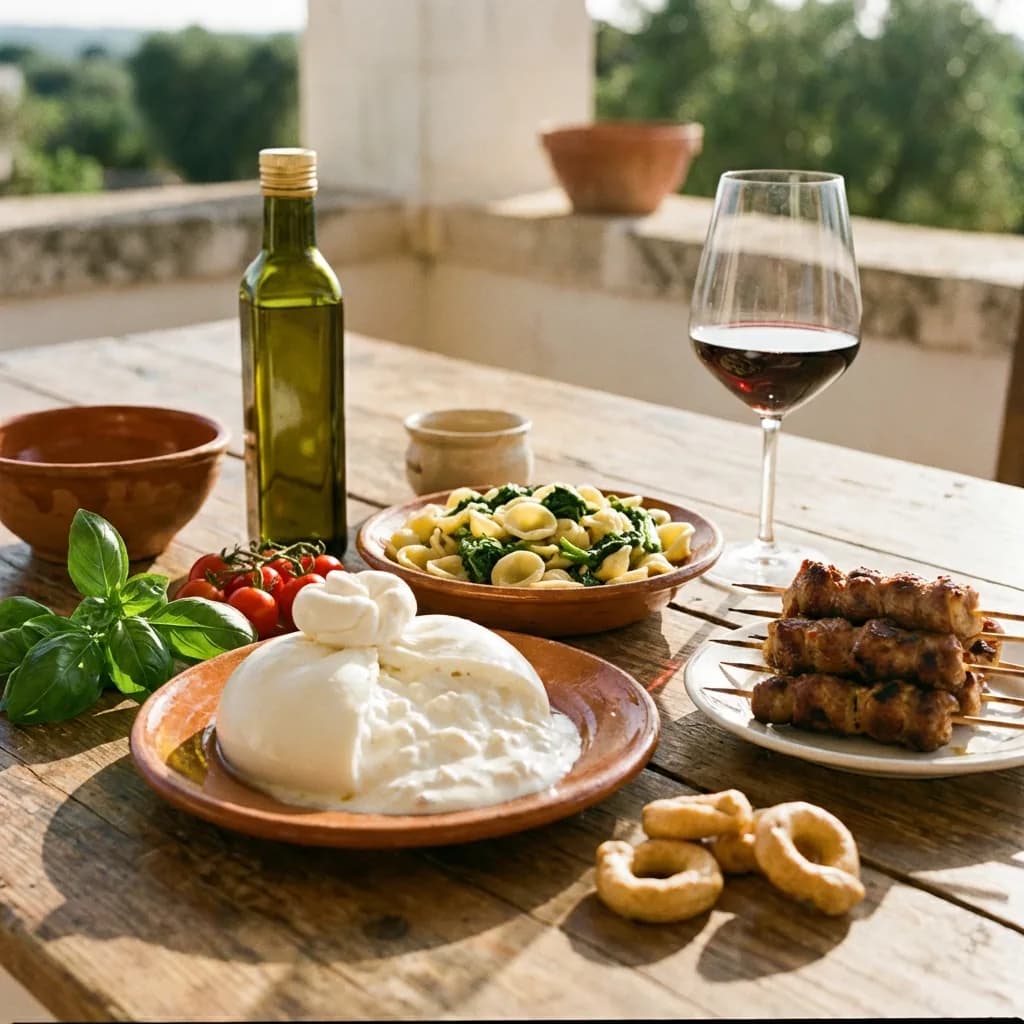
Burrata is Apulia's most famous food globally. It's cream-filled mozzarella cheese, invented in Andria around 1950 as a way to use mozzarella scraps. Today it's an industry (millions of kg exported annually).
What It Actually Is:
- Outer shell: Fresh mozzarella (stretched curd cheese)
- Inner filling: Cream mixed with mozzarella scraps (stracciatella)
- Temperature: Served at room temperature or slightly chilled
- Shelf life: 1-2 days maximum (it's truly fresh)
Quality Indicators:
Good Burrata:
- Made within 24 hours of purchase (check production date if available)
- Creaminess inside (stracciatella is thick, visible cream)
- Milk sourced from specific dairies (check label)
- No added preservatives (fresh products don't need them)
- Slight tang from milk (indication of quality fermentation)
Bad Burrata:
- Watery inside (cream has separated or degraded)
- Bland taste (low-quality milk)
- Plastic texture of outer shell
- Made weeks prior (shelf life extended by additives)
- Industrial production (loss of artisanal technique)
Where to Buy:
Markets (€6-8/kg):
- Buy morning of consumption
- Directly from producers or resellers who get daily deliveries
- Ask production date
- Refrigerate immediately
Restaurants (€12-18):
- Verify source if possible
- Order with just salt, olive oil, bread (not salads or elaborate presentations)
- Burrata should be the focus, not an ingredient in complexity
Quality Variance Reality:
- Same price can mean €8 industrial vs. €8 artisanal
- Milk source matters enormously (different dairies = different flavor)
- Temperature of serving matters (room temperature > refrigerated)
- Timing matters (day of production > 2 days old)
How to Eat It:
- Tear with hands (not cut with knife—damages structure)
- Place pieces on plate
- Top with sea salt (fleur de sel ideal)
- Drizzle excellent olive oil
- Eat with bread
- The cream center is the point; savor it
Bombette and Grilled Meat Traditions
Bombette are small meat rolls—ground meat (pork, beef, mix) formed into cylinder, stuffed with herbs and cheese, grilled until charred. They're Apulian specialty, not found outside region.
Traditional Bombette:
- Size: 5-8 cm long, thumb-thickness
- Filling: Herbs (parsley, garlic), sometimes cheese
- Cooking: Grilled over open flame (30-45 seconds per side)
- Serving: Immediately after cooking, on bread if desired
- Price: €12-18 for 6-8 pieces at restaurants, €3-5 from street vendors
Quality Indicators:
- Charred exterior (indicates proper grilling temperature)
- Juicy interior (means meat wasn't overcooked)
- Visible herbs inside (not disappeared into homogeneous mixture)
- Simple seasoning (salt, pepper, herbs—nothing fancy)
Where to Eat:
- Street vendors (morning and evening market)
- Pizzerias and casual restaurants
- Fornelli pronti in Cisternino (buy meat, grill yourself)
- Always grilled to order
Cultural Context: Bombette represent working-class food perfected. They're not fancy; they're flavored meatballs grilled at high heat. The sophistication comes from technique and ingredient quality, not from complexity.
Pasta Shapes and Regional Variations
Apulian pasta is shaped by hand traditionally (less so now, but tradition matters). The shapes aren't decorative; they're functional—sauce adherence, bite/texture, cultural identity.
Orecchiette ("Little Ears")
- Shape: Concave disk, resembles ear
- Function: Concave side traps sauce
- Traditional pairing: Cime di rapa (bitter greens) or simple tomato
- Regional variation: Every town has slightly different shape/size
- Texture: Chewy, satisfying bite
- Cooking time: 13-15 minutes (dried pasta)
Cavatelli (Ridged Tubes)
- Shape: Small tubes with ridges
- Function: Ridges catch sauce, tubes hold sauce internally
- Traditional pairing: Meat sauce, grilled vegetables
- More versatile than orecchiette
- Cooking time: 12-14 minutes
Lagane (Lasagna-Like Noodles)
- Shape: Flat, 3-4cm wide ribbons
- Function: Sauce clings to surface
- Pairing: Rich sauces (meat, cream)
- Less common today but traditional
- Cooking time: 10-12 minutes
Production Reality:
- Dried pasta now industrial (not hand-shaped)
- Fresh pasta (egg-based) still hand-shaped in some places
- Quality difference is subtle but measurable
- Dried pasta is more affordable and keeps longer
Quality Pasta Identification:
- Rough surface (durum wheat, not smooth industrial)
- Slightly irregular shape (hand-made indicator)
- Yellow-gold color (quality semolina)
- Slightly uneven thickness (artisanal marker)
- Price premium over industrial (€3-5 for handmade vs. €1-2 industrial)
Sea Urchin (Ricci) and Seasonal Seafood
Sea urchin appears on menus April-May primarily. Outside season, it's either frozen (mediocre) or not available (correct choice).
Fresh Sea Urchin:
- Appearance: Orange/red coral (roe sacs) inside spiky shell
- Taste: Briny, oceanic, mineral
- Texture: Delicate, barely-cohesive
- Shelf life: 1-2 days (true fresh, no preservation)
- Price: €25-40 for proper serving at restaurant, €6-8 at market
Preparation:
- Raw, with only lemon and salt (anything else masks flavor)
- Served on ice
- Eaten immediately
Seasonal Reality:
- April-May: Peak season
- Outside season: Occasionally available frozen (less preferred)
- Winter: Not available (legitimate unavailability)
- Price spike September (second season, minor harvest)
Where to Eat:
- High-quality restaurants (if in season)
- Fish market if you want to prepare yourself
- Ask "è di stagione?" (Is it in season?) before ordering
Other Seasonal Seafood:
- Mussels (Mytilus edulis): Year-round, peaks summer-fall
- Clams (Venerupis): Varies by variety, spring-summer best
- Anchovies/Sardines: May-June peak season, processed year-round
- Swordfish: July-September
- Octopus: Summer-fall best
- Triglie (Red Mullet): Spring-fall
Olive Oil and DOP Designations
Apulia produces 40% of Italy's olive oil. Most is industrial bulk oil sold to blenders. The artisanal producers represent the actual quality worth tasting.
DOP Designations: Apulia has 5 DOP (Protected Designation of Origin) olive oil regions:
- Terra d'Otranto: Southern Salento, robust oils
- Collina di Brindisi: Central region, balanced oils
- Dauno: Northern region, peppery character
- Val d'Itria: Inland valley, complex oils
- Penisola Salentina: Peninsula region, fruity oils
Quality Indicators:
Good Olive Oil:
- Early harvest (September-October = greener, peppery)
- Single estate or cooperative (traceability)
- Cold-pressed (extra virgin designation)
- Fruity aroma (apple, grass, almond notes)
- Slightly thick consistency (not watery)
- €8-15 for 500ml (quality pricing)
Industrial Oil:
- Refined (not cold-pressed)
- Blended from multiple sources (anonymized)
- No distinctive flavor profile
- Light golden color (loss of polyphenols)
- Shelf life: Multiple years (preservation chemicals)
- €2-4 for 500ml (commodity pricing)
How to Taste Oil:
- Room temperature
- On bread (not olive alone)
- Notice initial flavor (fruity, grassy, peppery?)
- Feel texture (thin vs. thick)
- Note finish (peppery sensation in throat = quality indicator)
- Compare two oils side-by-side to understand variation
Purchasing Strategy:
- Market: Buy directly from producers (€8-12 for quality)
- Restaurants: Quality oil used in cooking/finishing
- Specialty shops: Premium oils, educational selection
Cheese Beyond Burrata
Apulian cheese production is larger than awareness suggests.
Caciocavallo (Stretched Curd):
- Similar process to mozzarella but aged
- Flavor: Slightly tangy, firmer than fresh mozzarella
- Uses: Grilling (strings when melted), slicing
- Price: €12-16/kg
Canestrato (Aged Pecorino):
- Hard cheese, aged 4-12 months
- Flavor: Sharp, complex (longer aged = sharper)
- Uses: Grating, snacking
- Price: €8-12/kg
Stracciatella (Cheese Filling):
- Mozzarella curds in cream
- Already covered in burrata context
- Can be purchased separately (€15-25/kg)
- Uses: Pasta topping, bread filling
Seasonal Eating Guide
What's available changes dramatically by month.
April-May (Spring):
- Peak: Sea urchin, early vegetables, spring herbs
- Pasta: Orecchiette with cime di rapa (bitter greens)
- Seafood: Early fish season beginning
- Markets: Abundant fresh vegetables
June-August (Summer):
- Peak: Tomatoes, grilled vegetables, cold preparations
- Pasta: Orecchiette with tomato (simple, perfect)
- Seafood: Peak season for all fish
- Specialty: Gazpacho-like preparations (heat strategies)
September-October (Fall):
- Peak: Fall vegetables, second sea urchin harvest
- Pasta: Meat sauces possible (cooler weather)
- Seafood: Octopus, certain fish species peak
- Markets: Root vegetables emerging
November-March (Winter):
- Peak: Root vegetables, preserved foods, hearty dishes
- Pasta: Rich sauces, bean-based preparations
- Seafood: Cold-water fish species
- Specialty: Preserved vegetables, dried legumes
Market Shopping and Direct Purchase
Markets offer the highest quality and lowest prices.
Finding Markets:
- Every town has weekly market (usually Tuesday-Saturday morning)
- Lecce: Mercato Vecchio (old market, central location)
- Bari: Ballarò Market (famous, chaotic, excellent)
- Most towns: 8:00 AM - 2:00 PM operation
What to Buy:
- Fresh vegetables (seasonal, peak quality)
- Cheese (direct from producers)
- Meat (from butchers for bombettes)
- Fish (morning catch, 6:00-9:00 AM)
- Bread (local bakeries)
- Olive oil (directly from producers)
How to Buy:
- Arrive early (7:00-8:30 AM for best selection)
- Cash preferred (some vendors accept cards)
- Bring reusable bags
- Ask production origin (local better than shipped)
- Buy quantities you'll use same day (true fresh, no preservation)
Price Reality:
- Markets 30-50% cheaper than restaurants
- Quality often superior (fresher)
- Requires accommodation with kitchen access
- Requires knowledge of preparation
Restaurant Selection Strategy
Not all restaurants are equal. Strategic selection matters.
How to Identify Good Restaurants:
Positive Indicators:
- Locals eating there (simple test: look at who's present)
- Limited menu (fewer options = focused execution)
- Seasonal specials (indicates ingredient-driven cooking)
- Simple dishes dominating (orecchiette, pasta e fagioli, grilled fish)
- No English menu (signals non-tourist focus)
- Staff who explain dishes (knowledge indicates investment)
- Difficult reservation (demand suggests quality)
Negative Indicators:
- Tourist piazza location (usually mediocre, always expensive)
- Elaborate menu (too many options = inconsistent execution)
- Fusion cuisine (not regional food = not authentic)
- Cheap appetizers (strategy to hook customers, main courses overpriced)
- English menu with photos (explicit tourist targeting)
- Easy walk-in access with empty tables (low demand = mediocre food)
Pricing Strategy:
- Budget: €12-18 per person (lunch, casual spots)
- Mid-range: €22-35 per person (dinner, quality establishments)
- Premium: €40-60+ per person (special occasion, finest restaurants)
- Better value: Lunch is cheaper than dinner (same quality, less ambiance premium)
Wine Strategy:
- Order house wine (€3-5/glass, usually good)
- Regional wines (Primitivo, Negroamaro, Fiano)
- Skip international wines (overpriced in local restaurants)
- Ask sommelier for recommendation (they know locals' preferences)
Food Specialties by Town
Lecce: Orecchiette alle cime di rapa at a Lecce Baroque Guide recommended spot.
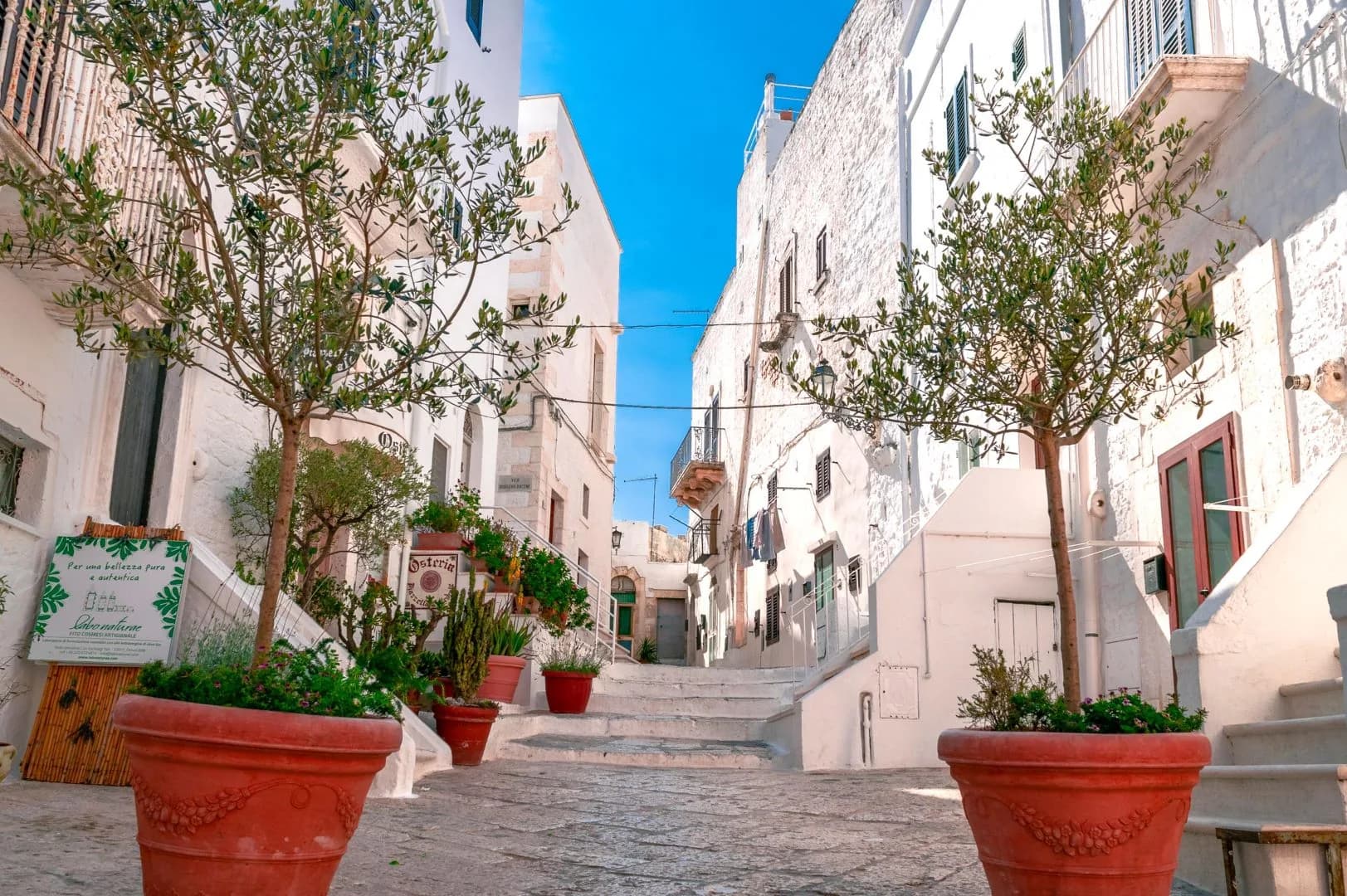
Ostuni: Fresh burrata at markets, seafood at harbor restaurants
Polignano a Mare: Sea urchin when in season, fish from boats
Alberobello: Bombette (local specialty), burrata from nearby Andria
Cisternino: Fornelli pronti (grill your own meat)
Bari: Street food (panzerotti, sgagliozze) at the harbor, as detailed in our Bari Travel Guide.
Monopoli: Fresh fish at harbor restaurants, morning market finds
Locorotondo: Local wine with simple pasta, fresh vegetables
CTA SECTION
Ready to Eat Like an Apulian?
Food is how you understand a place. Learn to read the food—where it's from, why it exists, how to find the best versions.
Use apulia.travel to coordinate your food experiences.
Reserve your table: Search Restaurants
Join a market tour: Market Guide Booking
Plan wine pairings: [WINE AND FOOD EXPERIENCE]
Connected Guides:
- Wine Tasting Tours Apulia (pair with food knowledge)
- Lecce 48-Hour Guide (includes restaurant recommendations)
- Ostuni Travel Guide (food specialties covered)
- [Street Food in Bari] (focused food experience)
- [Cisternino Medieval Charm] (fornelli pronti culture)
More Apulian Insights

Explore Destinations
Trani
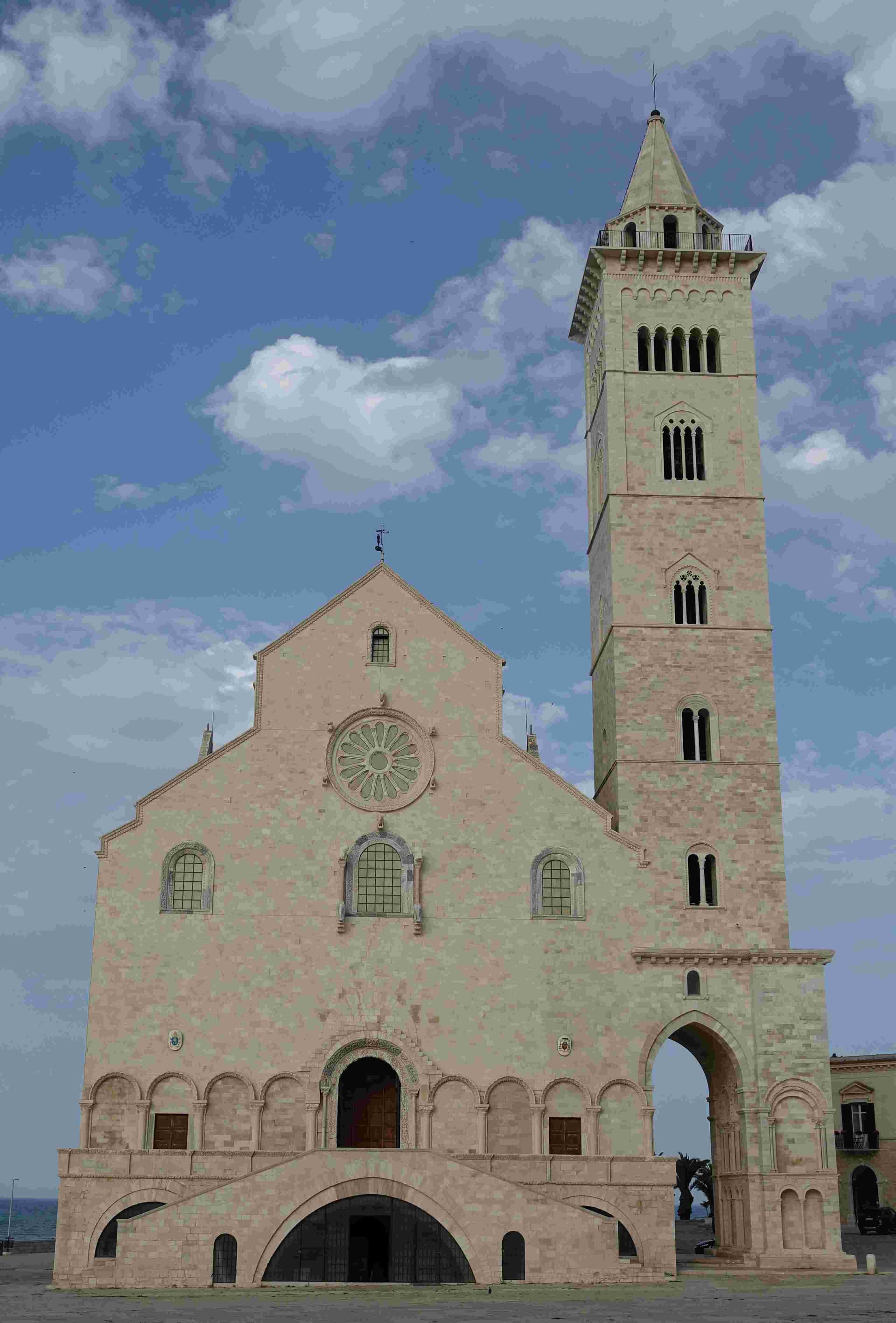
Elegant Adriatic port city known for its waterfront Romanesque cathedral and lively marina dining.
Monte Sant'Angelo
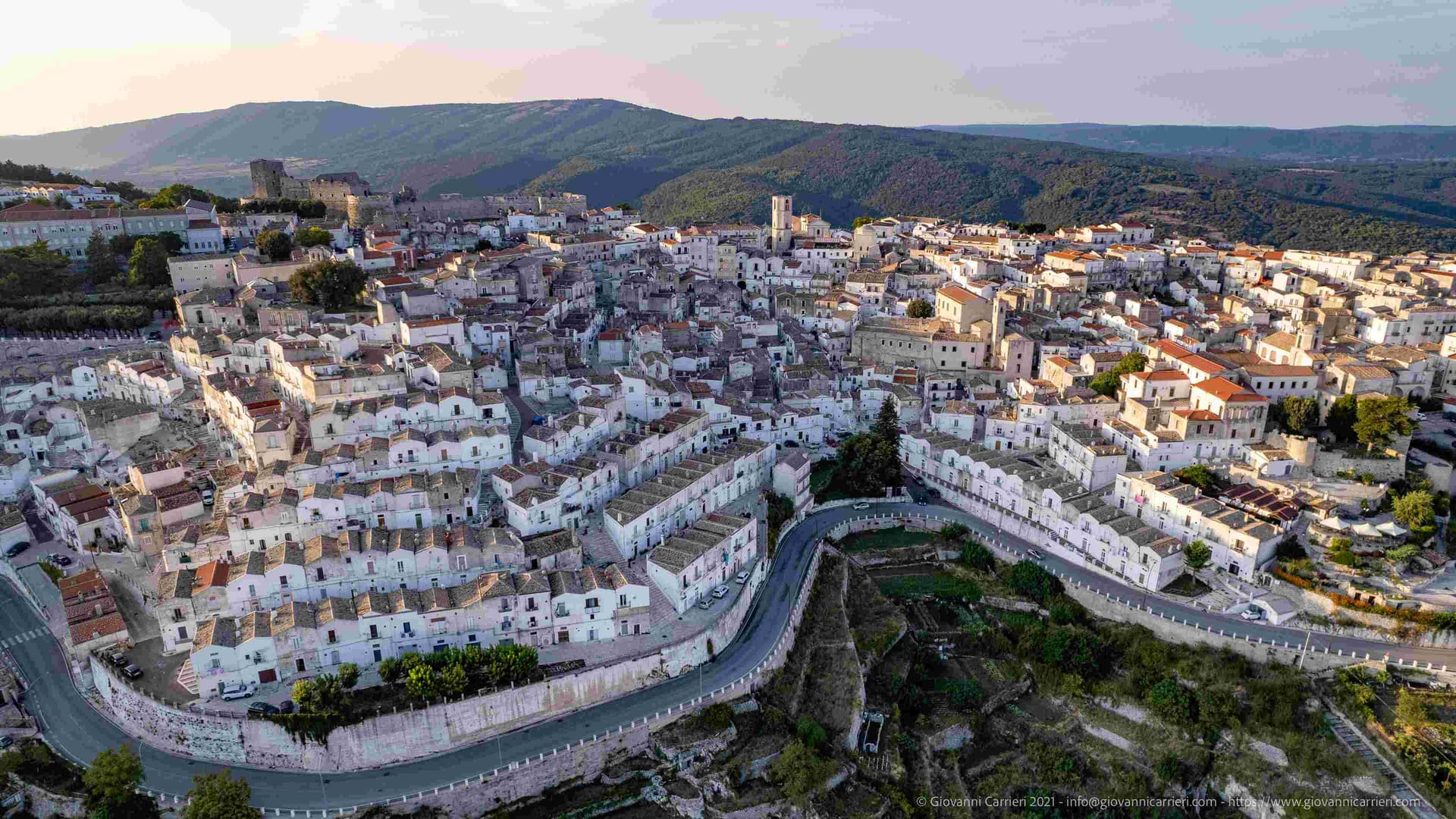
Monte Sant'Angelo is a spiritual hilltop town on Gargano hosting the UNESCO-listed Sanctuary of San Michele Arcangelo. A major European pilgrimage site since the 5th century, it combines religious significance with medieval architecture.
Ceglie Messapica
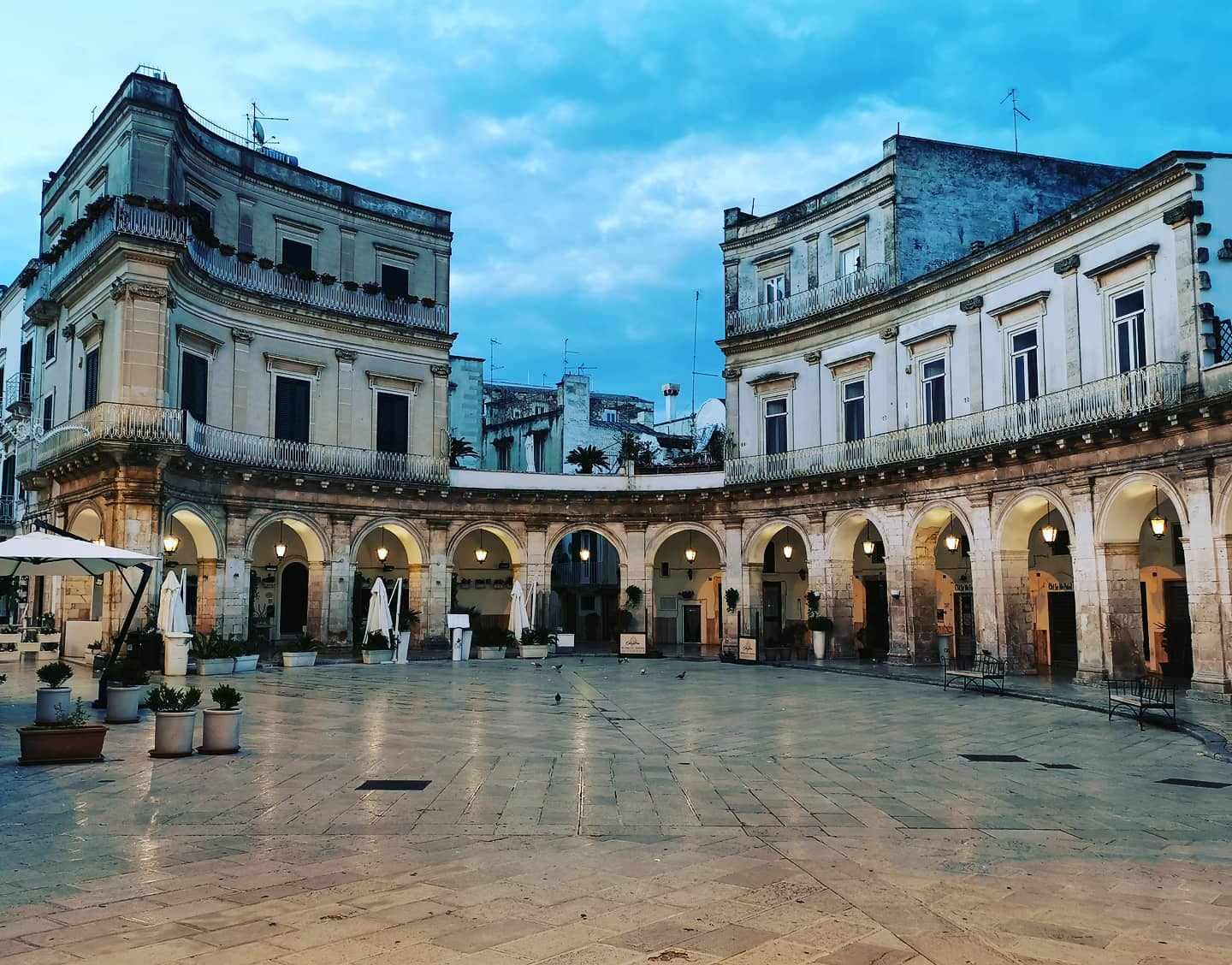
A certified 'Città della Gastronomia' (City of Gastronomy) with extraordinary concentration of restaurants and food culture. This medieval town is the epicenter of Apulian culinary excellence, featuring world-class dining and deep-rooted food traditions.