CASTEL DEL MONTE: UNESCO World Heritage Secrets
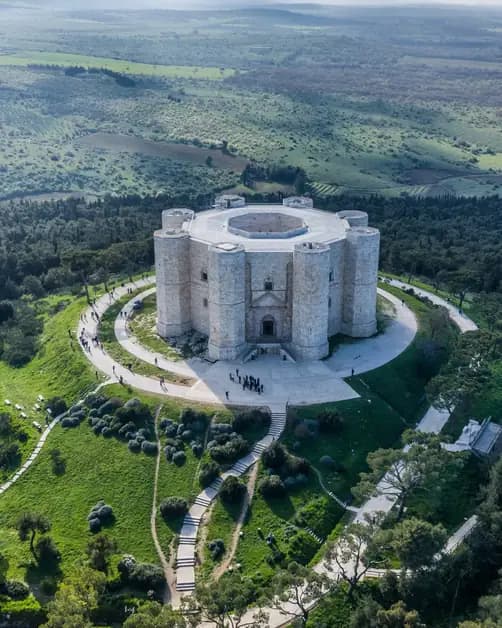
Castel del Monte sits in isolation on a Murge plateau 540 meters above sea level, visible for 50km in all directions. It's a perfect octagon—8 towers, 8 rooms per floor, 8-pointed geometry repeated throughout. Built in the 13th century by Holy Roman Emperor Frederick II, it contains sophisticated medieval engineering and mysterious mathematical symbolism still debated by scholars.
Most tourists arrive, spend 45 minutes, and leave with "I saw the castle." They miss what makes it actually fascinating: understanding why Frederick II built an octagon in the middle of nowhere, what the geometric symbolism represents, how medieval construction solved engineering problems we'd consider modern.
This guide teaches you to read the fortress instead of just observe it.
The History and Why Frederick II Built Here
Frederick II (1194-1250), Holy Roman Emperor and King of Sicily, built Castel del Monte between 1240-1250. He was brilliant, multilingual, interested in mathematics, geometry, and alchemy. The castle reflects his intellectual interests, not military needs.
Why This Location?
- Isolated plateau (defensible)
- Central position in southern Italy (administrative control)
- Visible for vast distances (psychological dominance)
- But: Not ideal for military defense (no water access, limited resources)
This reveals the castle's real purpose: It wasn't a fortress in the traditional sense. It was a power statement. "I, Frederick II, built something so perfect and geometrically sophisticated that it announces my intellectual authority."
The Octagonal Symbolism:
Eight represented perfection in medieval numerology (4 elements + 4 cardinal virtues = 8 = complete wholeness). Frederick II, interested in numerology and alchemy, designed the castle to embody this completeness.
The Reality of Medieval Life There:
Frederick II probably stayed 2-3 months total (traveling ruler, multiple residences). The castle was maintained by a small garrison. It was a statement of power, not a functioning residence.
The Architecture: Understanding Octagonal Design
Exterior:
- 8 identical towers at each corner
- Perimeter: ~200 meters
- Height: 24 meters (appears taller due to plateau elevation)
- Windows: Precisely positioned, symmetric
- No visible fortifications (no traditional crenellations)
- No moat or outer defenses
This reveals design philosophy: It's architectural theater, not military engineering.
Interior Layout:
Each of 2 floors has 8 octagonal rooms arranged around central courtyard. Rooms connect through corridors, creating circulation patterns that optimize visibility and control. It's sophisticated space planning.
Key Architectural Features:
The Octagonal Towers:
- Each tower is 8-sided externally, octagonal internally
- Windows positioned to maximize light while minimizing external visibility
- Upper floors have larger windows (less military need)
- Construction technique: Stone blocks precisely cut, fitted without mortar in many places
- Each tower would be defensible as individual unit
The Courtyard:
- Central open space, 40m x 40m approximately
- Visible from all 8 towers (communication/surveillance)
- Underground section (partially excavated) suggests ceremonial or storage function
- Paved floor shows signs of heavy traffic (practical use, not purely ceremonial)
Technical Achievement: Medieval builders lacked modern surveying tools. That the octagon is nearly perfect (mathematical error <1%) shows extraordinary precision. This is medieval mathematics put into stone.
Visiting Castel del Monte: Practical Information
Hours:
- Summer (April-October): 10:15 AM - 7:45 PM
- Winter (November-March): 10:15 AM - 4:00 PM
- Closed: Mondays (year-round)
- Last entry: 45 minutes before closing
Entry:
- Cost: €5 per person
- Children: €2.50 (under 18)
- Family: €12 (2 adults + kids)
- Pre-booking: Can book online; walk-ups accepted when not crowded
Duration:
- Minimum: 45 minutes (rush tour)
- Realistic: 90 minutes (to actually understand layout and architecture)
- Extended: 2 hours (with photographic documentation)
Physical Requirements:
- Steep internal stairs (no elevator)
- Multiple floors navigable
- Heat: Can be significant (no interior cooling, exposed to sun)
Access:
- By car: 35km from Bari, 70km from Lecce
- Parking: Large lot adjacent to site (free)
- Public transport: Limited (occasional buses, not reliable)
- Recommendation: Rent car or arrange private transfer
What to Actually Look at While Inside
Most tourists walk through rooms without understanding what they're looking at.
The Precise Geometry:
- Count the sides of rooms (octagonal)
- Notice door placement (symmetrical)
- Observe window patterns (match from floor to floor)
- This precision was achievement in 1240s
The Stone Work:
- Notice precision of stone cutting
- Look at transitions between stone colors (different quarries)
- Some sections show tool marks (construction technique evidence)
- Observation: This required skilled masons, not generic builders
The Staircases:
- Notice they're oddly positioned
- They're outside main octagonal structure
- This suggests later modification or functional necessity
- Original access patterns unclear (something changed over time)
The Windows:
- Upper floor windows are larger than lower floor
- This suggests shift from military to residential over time
- Original design may have been more heavily fortified
The Courtyard Excavation:
- Underground section visible (partially)
- Purpose unclear (storage, ritual space, water cistern?)
- Ongoing archaeological research
The Views:
- From rooftop: Visible for 50km in all directions
- This was the point: announce authority through visibility
Historical Context: What Happened After Frederick II
Castel del Monte's post-Frederick history:
- 1250s onward: Minimal documented use
- 1300s-1400s: Garrison maintained sporadically
- 1500s: Became prison for political detainees
- 1600s-1700s: Abandoned, deteriorated
- 1800s: Declared national monument
- 1996: UNESCO World Heritage site
What This Reveals: Once Frederick II died, the castle lost its political significance. No subsequent ruler maintained it as power symbol. It was too isolated for practical fortress use. Over 700 years, it transformed from imperial statement to tourist attraction.
Practical Visiting Framework
Where to Stay (Near Castel del Monte)
Andria (15km away):
- Larger town with infrastructure
- Hotels: €60-120/night budget, €120-200/night mid-range
- Restaurants and services
- 20-minute drive to castle
Minervino Murge (10km away):
- Smaller, hilltown setting
- Limited hotels: €50-100/night
- More atmospheric than Andria
- 15-minute drive to castle
Lecce Base (70km):
- Stay in Lecce, day trip to castle (90-minute drive one way)
- Feasible if you have 8+ hours available
Recommendation: Stay in Andria (infrastructure), visit castle morning or late afternoon (light, fewer crowds), dedicate 3-4 hours (2 hours castle + 1-2 hours travel/rest).
When to Visit
By Season:
- April-May: Ideal (warm, good light, manageable crowds)
- June-August: Hot (35-40°C), crowds, windy plateau
- September-October: Still pleasant (28-32°C)
- November-March: Cool, clear views, fewer tourists
By Time of Day:
- 10:15-11:30 AM: Opening hours, minimal crowds
- 12:00-3:00 PM: Heat peak, maximum tourists
- 4:00-6:00 PM: Good light returning, fewer crowds
- 6:00-7:30 PM: Golden hour light (limited summer hours)
Wind Reality: Plateau elevation and open design create significant wind. Windy days make visits uncomfortable. Check weather before committing.
Integration into Larger Apulia Trip
Castel del Monte doesn't function as standalone destination. It requires integration:
3-Day Loop (Bari Area):
- Day 1: Bari city (harbor, old town)
- Day 2: Castel del Monte (morning) + Andria or Trani (evening)
- Day 3: Return to Lecce or extend south
From Lecce (Day Trip):
- Distance: 70km, 90 minutes
- Morning: Early departure, 10:15 AM arrival
- Mid-day: Explore castle (2-3 hours)
- Afternoon: Return to Lecce or extend to nearby towns
- Feasible but requires early start
Wine Region Connection:
- Castel del Monte sits between Salento wine region (south) and inland Murge region
- Could combine with Manduria wine tour (2 destinations, 1 day)
- Requires 8-10 hours minimum
Photography and Geometric Appreciation
Castel del Monte is geometric perfection. Photography should reflect this.
Key Shots:
Aerial View:
- Octagonal shape visible only from above
- Drone photography ideal (if permitted)
- Shows the design intention
Symmetry Shots:
- Line up tower with opposite tower
- Document twin towers symmetry
- Show repeated architectural elements
Detail Photography:
- Stone work precision
- Window patterns
- Geometric proportions in small elements
- Reveals craftsmanship
Interior Geometry:
- Room corners and angles
- Door placements
- Staircase geometry
- Light and shadow relationships
Golden Hour:
- Sunset light on stone (warm tones)
- Shadows reveal octagonal geometry
- Most dramatic photography timing
What to Avoid and Honest Assessment
Don't:
- Expect complete understanding without prior research (geometry + history helps significantly)
- Plan more than 3 hours here (there's not that much to experience)
- Visit in mid-day July-August (unbearably hot, crowded)
- Expect perfect preservation (it's been empty for 200+ years)
Do:
- Read about Frederick II and medieval numerology before visiting (context deepens experience)
- Visit morning or late afternoon (light, crowds)
- Stay at least 90 minutes (understand layout properly)
- Take photos of geometric patterns (helps you notice details)
Honest Assessment: Castel del Monte is architecturally fascinating but limited as tourism destination. It's worth 2-3 hours as day trip from Lecce or base stop in Bari region. It's not worth 8+ hours of travel from coast for solo visit. Its value increases when integrated with other sites (Andria, Trani, wine regions).
Ready to Understand Medieval Geometry and Power?
Castel del Monte is more than a castle—it's Frederick II's mathematical statement in stone.
Coordinate your visit through apulia.travel.
Search nearby accommodation: Book Andria Hotel(https://apulia-travel.nuitee.link/collections/fa5685e6-5a7f-4e51-b042-134c8932c4f8/lp77c27)
Connected Experiences:
- Lecce 48-Hour Guide (70km south)
- Alberobello Trulli (60km southeast)
- Wine Tasting Tours Apulia (nearby Salento region)
More Apulian Insights


Explore Destinations
Vieste
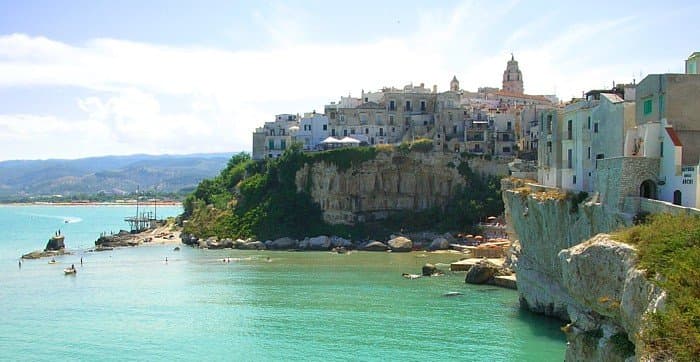
Vieste is the pearl of the Gargano peninsula, a thriving seaside resort featuring golden sandy beaches, the iconic Pizzomunno limestone monolith, and charming historic center overlooking the Adriatic Sea.
Andria
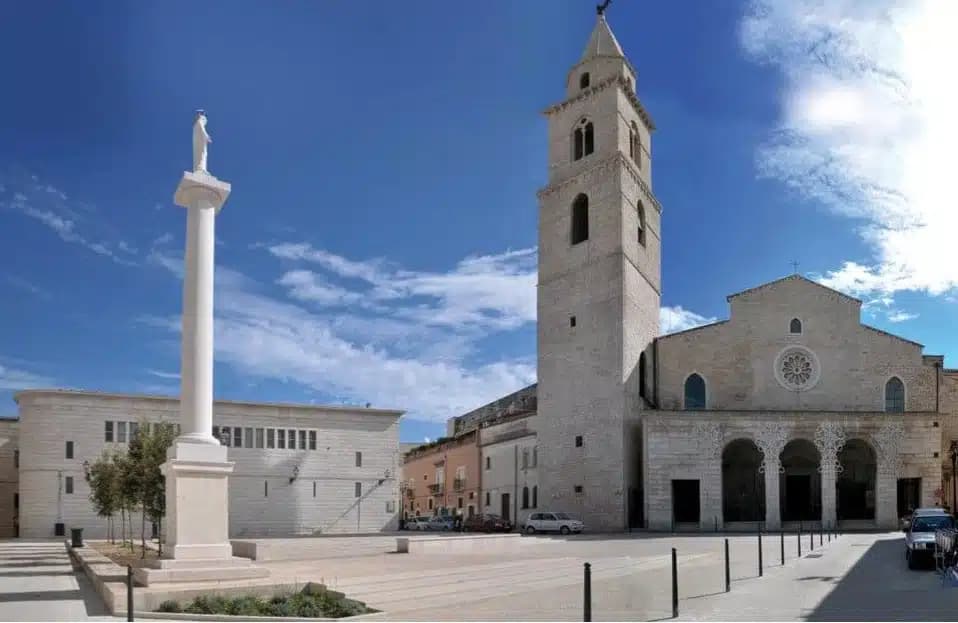
Andria is a historic inland city famous as the capital of olive oil production and home to exceptional burrata cheese. It serves as the perfect gateway to Castel del Monte, UNESCO's most enigmatic medieval fortress, and provides access to the pristine landscapes of Alta Murgia National Park.
Ostuni
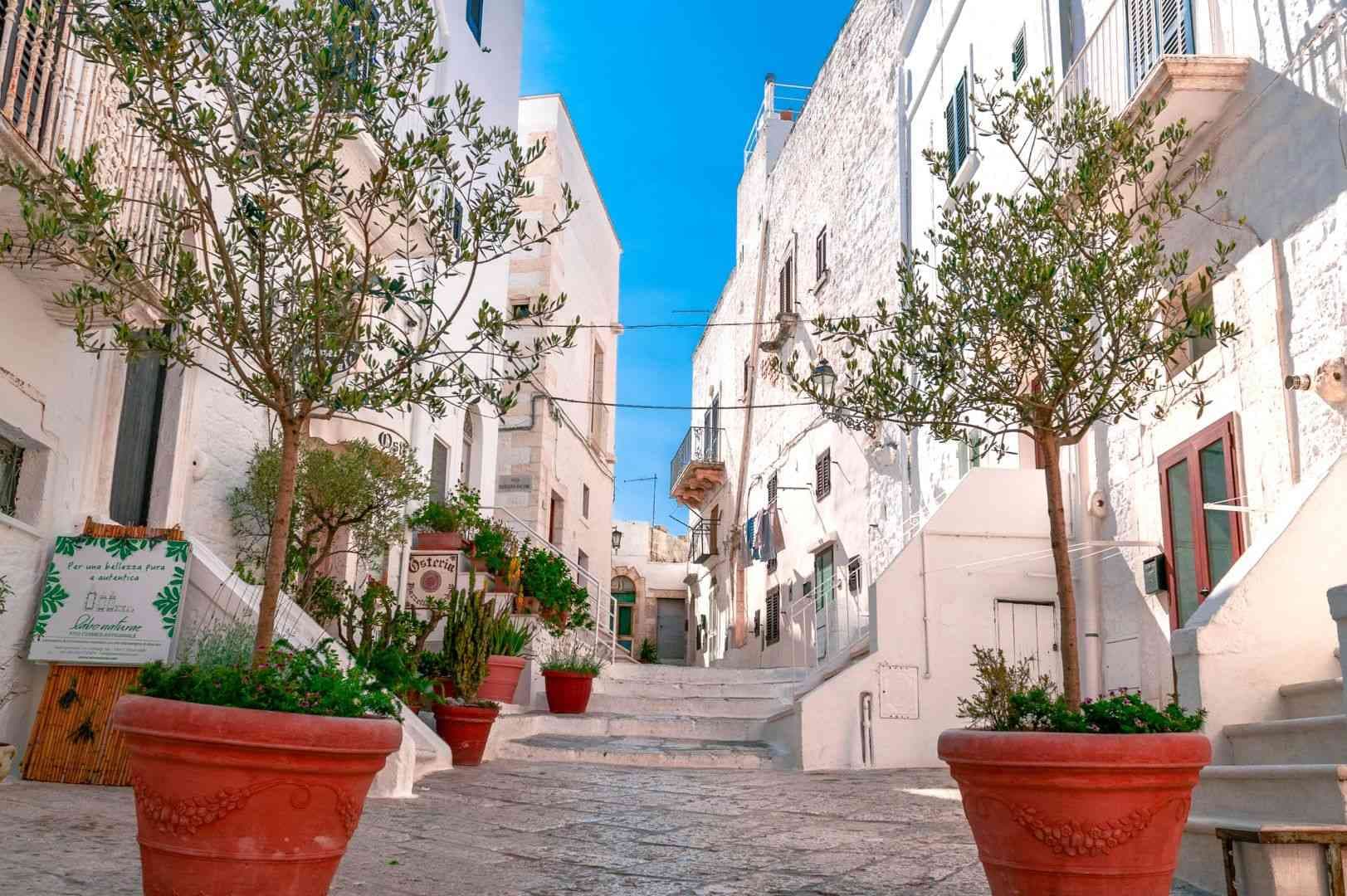
Perched on three hills in Apulia (Puglia), Ostuni's whitewashed buildings create a stunning contrast against the blue sky and surrounding olive groves.